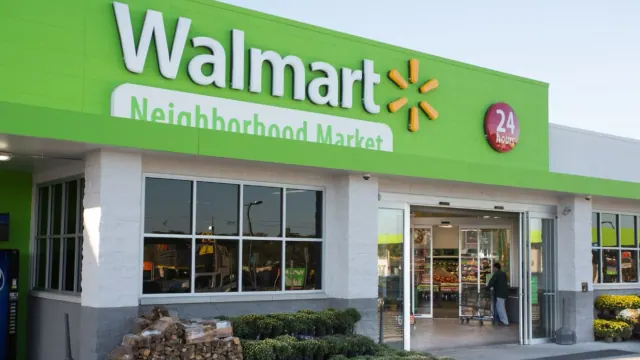
You can keep the sauce your family likes and try the store-brand pasta next to it. That’s one way to bring down the grocery bill without changing dinner much. The pay-later option at Walmart checkout is a separate decision. OnePay Later, powered by Klarna, excludes groceries and food. It can spread the cost of some other purchases over time.
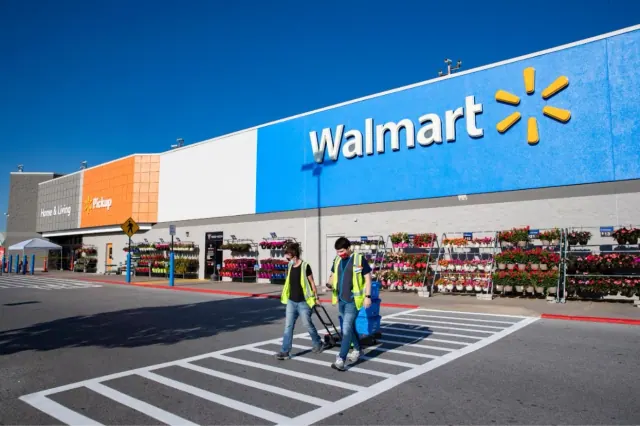
Check what qualifies
A cart can hold dinner ingredients, socks and a toaster. Check which items are eligible before counting on an installment plan. Approval and availability vary, and some categories besides food are excluded. If the option doesn’t appear for your order, price the trip using the money you can spend at checkout.

Look at the price per ounce
The bigger package can cost more per ounce. Say 16 ounces of pasta cost $2.40 and 24 ounces cost $3.84. In that example, the smaller package costs 15 cents an ounce and the larger one costs 16 cents. Check that the shelf labels use the same unit before comparing them.
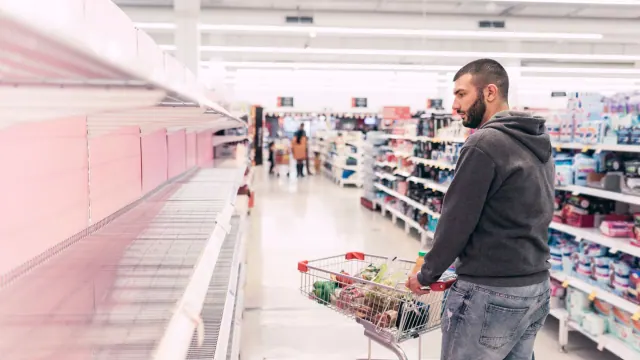
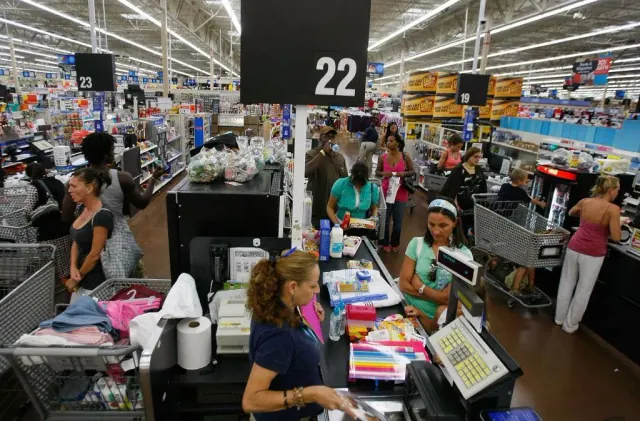
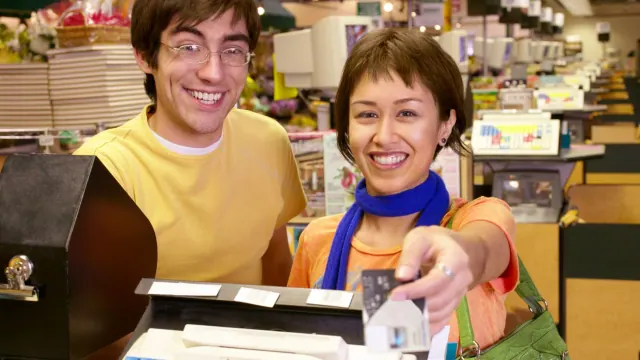
Give yourself time at checkout
It’s easy to tap through an extra screen when there’s a line behind you. Take a moment to see how much is due today and when the rest comes out of your account. If you’d rather read the offer somewhere quieter, you can leave the item for another trip.
Read the actual offer
OnePay lists monthly financing at 9.99% to 35.99% APR. Some eligible shoppers may see a 0% interest Pay in 4 option. Monthly terms can run up to 36 months, and a down payment may be required. The offer shows the APR and total interest before you accept, so check those alongside the payment amount.
Put the old checkout announcement in context
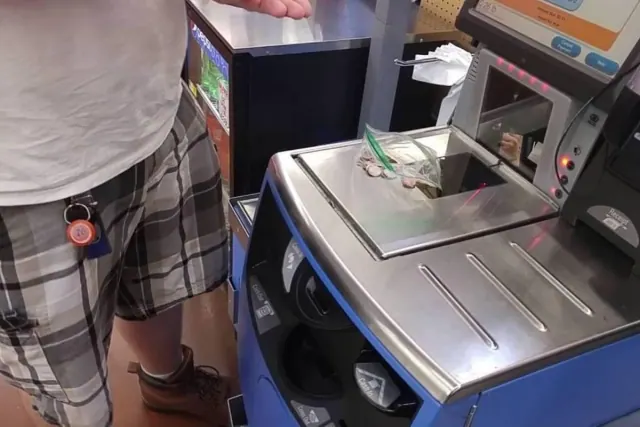
Affirm’s December 2023 announcement described an expansion to self-checkout at more than 4,500 Walmart stores. It cited eligible items such as electronics, clothing and toys. The current checkout offer described here is OnePay Later through Klarna. Use today’s terms to work out what’s eligible and how much you’d pay.
Set a limit for a bigger purchase
If you need a replacement appliance, write down the features you actually use and what you can spend. A smaller monthly payment can make a pricier model look manageable at the register. Add up the payments and any money due upfront, then compare that total with the price of paying in full.
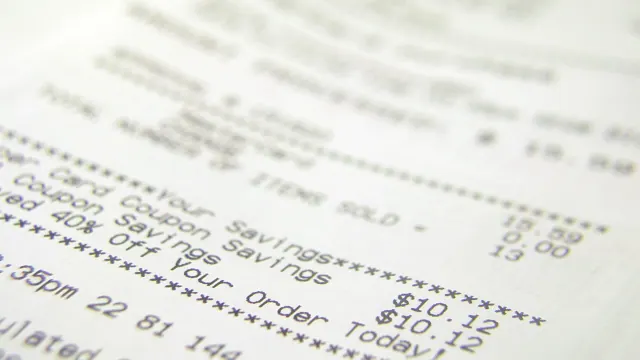
Take one receipt back to the aisle
Pick two or three groceries you buy most weeks and look up the sizes and prices on your receipt or the packages. Try the cheaper version of something you already use. If it’s an ingredient for a recipe, check the label for anything that matters to you, including allergens.

Look at the dates as well as the price
Check the installment dates against bills that fall in the same week. OnePay says a late fee of up to $7 may apply. If you’re depending on money coming in on a particular day, check when it usually clears and how much room is left for the bills you already have.
Keep the swaps you actually use
A cheaper jar is only useful if you’ll finish it. Start with a familiar staple and see how it works in the meals you already make. If you like the original better, keep buying it and compare prices on another item. You can decide where a small saving is worth it.
Save the payment agreement
If you finance an eligible purchase, keep the agreement with your receipt. The receipt tells you what you bought. The agreement shows what you still owe and when. Put the due dates in your calendar, especially if you’ve agreed to automatic payments and need to leave enough in the account.
Add up the payments you already owe
Small installments can bunch together. Before taking another offer, add up what’s already due and leave room for rent, utilities and groceries. The Consumer Financial Protection Bureau says missed payments on these loans can lead to fees or collections, depending on the lender and the circumstances.