Celebrity partnerships can end in an apology, a departure or a regulatory settlement. Those outcomes need different evidence. A withdrawn advertisement tells you what a company stopped running; a financial report measures a business over a stated period. These four historical cases show why you should check the dated statement behind a familiar headline before treating it as a verdict on everyone involved.
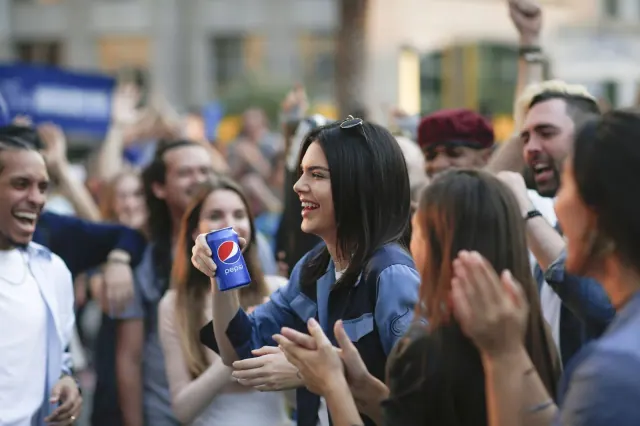
Kendall Jenner and Pepsi: an advertisement withdrawn
On April 5, 2017, Pepsi apologized for its advertisement featuring Kendall Jenner and said it was removing the content and stopping further rollout. The company described its intended message as unity, peace and understanding, while acknowledging that it had fallen short. It also apologized to Jenner. That statement establishes the company's response to the advertisement; it doesn't give you a measured sales loss or prove the effect of celebrity advertising generally.
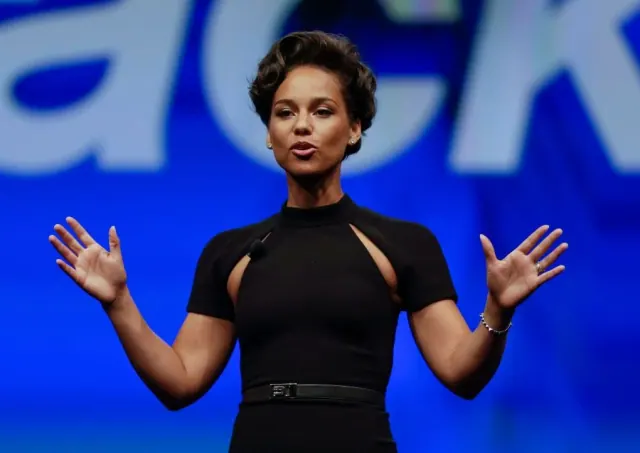
Alicia Keys and BlackBerry: a collaboration ends
BlackBerry appointed Alicia Keys its Global Creative Director on January 30, 2013. Its launch announcement described work with developers, content creators and others around BlackBerry 10. In January 2014, the company confirmed the year-long collaboration was ending, thanking her for contributions including creative projects and a scholarship program. Neither statement identifies a specific social-media post as the reason the arrangement ended.
DJ Khaled and Floyd Mayweather: undisclosed payments
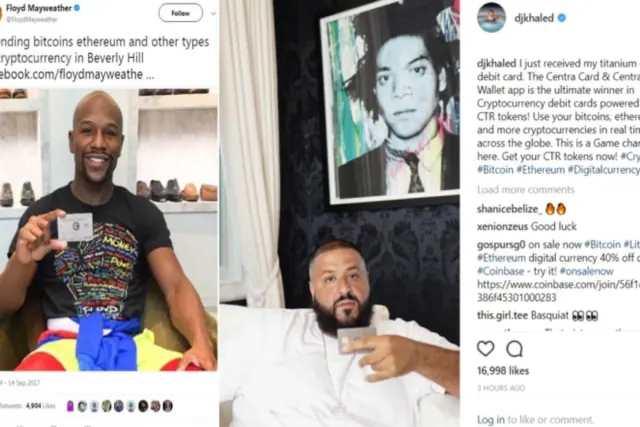
The SEC announced settled charges on November 29, 2018, over undisclosed payments for promoting initial coin offerings. Its findings included Centra Tech payments of $100,000 to Floyd Mayweather and $50,000 to DJ Khaled. Both agreed to financial settlements and temporary restrictions on securities promotion without admitting or denying the findings. The settlements concern disclosure of paid endorsements. They don't establish the outcome of every separate lawsuit involving Centra or its promoters.
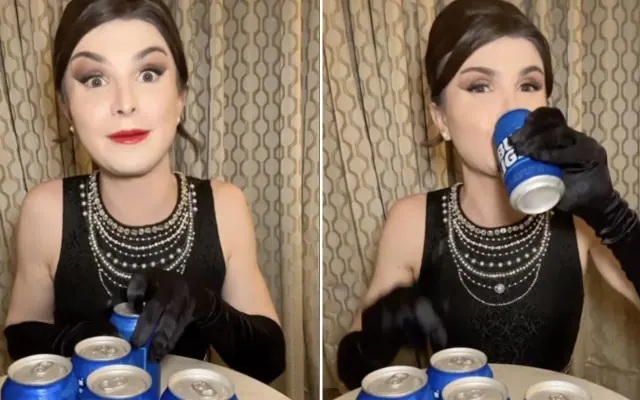
Bud Light: separate a promotion from the accounts
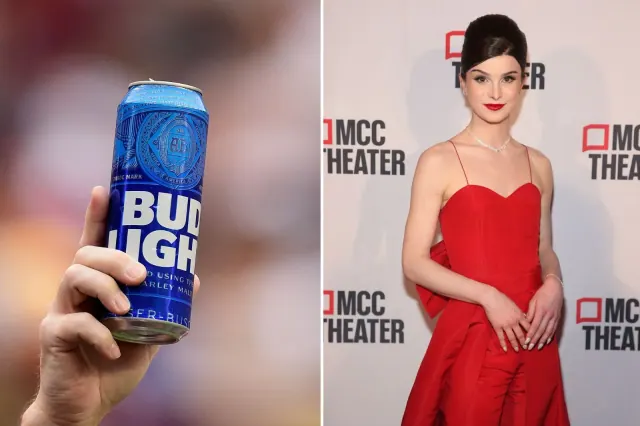
In a June 2023 CBS MORNINGS interview, Anheuser-Busch CEO Brendan Whitworth addressed the backlash over Bud Light's promotion with Dylan Mulvaney. Later, AB InBev's 2023 results reported a 9.5% U.S. revenue decline on its organic reporting basis. Its fourth-quarter discussion identified lower Bud Light volume as the main reason U.S. sales-to-retailers fell. Those are different periods and measures. Neither figure isolates the cost of an individual post.
Check what the evidence actually measures
If you're comparing these cases, keep the announcement, response and financial period together. A company statement, a regulatory settlement and a set of annual results answer different questions. None gives you a reliable shortcut for judging every future endorsement.