If card readers stop working after a storm, money in a savings account may be difficult to spend at the corner shop. Some cash can help with that immediate problem. A longer interruption to your income is a different matter. Keeping those two situations separate makes it easier to decide what to save and where to keep it.
Start With the First Few Days
Think about the purchases you might need to make if electronic payments were temporarily unavailable. Food, transport and other essentials belong on that list. FEMA’s emergency financial guidance includes keeping a small amount of cash in a safe place. Small bills can be useful when a shop cannot provide much change. Cash will not help if the shop itself is closed.
Work Out Your Household’s Costs

Use your own costs as a starting point. How many people depend on the household budget? Would you need fuel, public transport or somewhere else to stay? Someone caring for children, an older relative or pets may have different needs from someone living alone. Write down the likely purchases before choosing a cash amount.
There Is No Universal Dollar Target
A round number such as $2,000 can sound reassuring, but it is not a requirement that fits every household. Some people would need less cash on hand; others face higher costs. Keep the amount proportionate to the situation you are preparing for and what you can safely afford to set aside.
Start With What Is Manageable

You do not have to complete the whole plan in one payday. A modest amount can be a start. The Consumer Financial Protection Bureau suggests setting a specific savings goal and making consistent contributions when possible. If money is already tight, the first task may be understanding which bills are due and when income arrives.
Allow for Disruption
An evacuation may mean paying for a journey or accommodation you had not budgeted for. Prices and availability can change during a disruption, too. Leave some room in your estimate instead of treating it as an exact bill. Review the plan when household circumstances change, especially after a move or a change in caring responsibilities.
Cash Is Only Part of Preparation
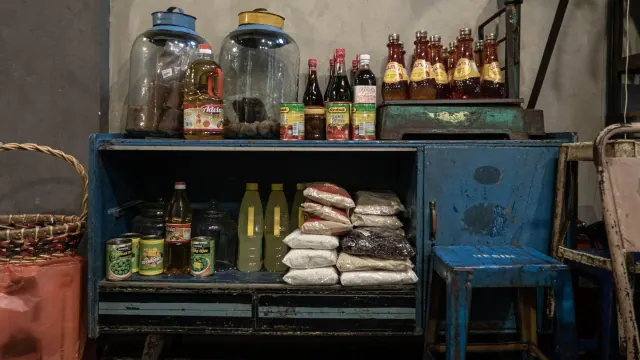
An emergency kit can include water, shelf-stable food, a flashlight, batteries, first-aid supplies and the items your household specifically needs. Check what you already own before buying more. Keep useful documents and emergency contacts accessible as well. A stack of banknotes does not replace medication planning, supplies or a way to receive local emergency information.
Keep the Larger Reserve Separate

An emergency fund is money set aside for unplanned expenses or income loss. It does not all need to sit in a drawer at home. The CFPB recommends keeping it somewhere safe and accessible. An appropriate insured bank account can meet that need, subject to deposit-insurance rules and the account’s withdrawal terms.
Give the Savings a Place in the Budget

Look at income alongside regular bills and irregular costs. A contribution that leaves you unable to pay a necessary bill is not a workable routine. Choose an amount and timing you can manage. There is no need to adopt a particular budgeting system if a simple list gives you a clear picture.
Use Automatic Transfers Carefully

A recurring transfer can make saving easier to remember. Arrange it around money actually arriving, and check that enough remains for bills. If income varies, a fixed transfer may need adjusting. Balance alerts can help you notice a problem before a transfer leaves your checking account short.
Do Not Store the Whole Fund at Home
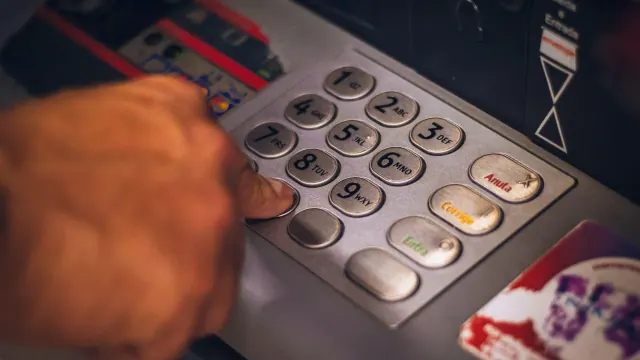
Physical cash can be lost, stolen or damaged. The FDIC explains that cash kept at home is not protected by deposit insurance. Secure storage reduces some risks but does not remove them. Consider who may need access in an emergency, while keeping the location and amount private.
If There Is No Spare Money Yet
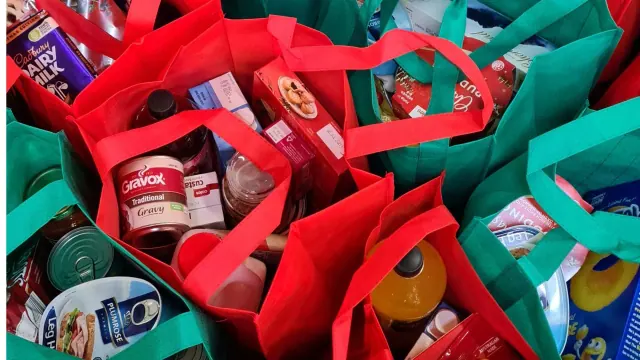
Prioritize essential living costs and contact creditors early if you expect to miss a payment. Ask what assistance or payment arrangements are available. Building a reserve can take time, and financial difficulty is not proof of poor planning. A useful first step may be gathering documents and making a practical household plan before you can add much cash.
CFPB: building an emergency fund