The first caller sounds helpful. There's supposedly an Amazon order to sort out, then a transfer to someone who says the problem is much more serious. Journalist Charlotte Cowles described a $50,000 loss after a scheme that started this way. Recognizing the sequence matters more than memorizing a particular script. Familiar company names and urgent instructions can keep a person engaged long enough for an account alert to become a demand for money.
The Call Starts With a Familiar Name

Someone says they're calling from Amazon about suspicious activity. Naturally, you want to know whether your account is safe. But saying the company name doesn't prove where the call came from. Keep passwords, verification codes and banking details to yourself. Hang up, open the app or website you normally use and contact support there. You can investigate the concern without letting an unidentified caller guide the process.
An Expensive Order Creates Urgency
An iPhone you never bought is an alarming thing to hear about. The University of Virginia's security team describes scammers using that supposed Amazon purchase to create urgency. Check your orders through the app or website you normally use. Don't follow a link or dial a number the caller supplies. If your account doesn't match their story, step away from the conversation instead of accepting another explanation under pressure.
A Shopping Problem Becomes a Threat

The problem can grow as you listen: first a purchase, then identity theft, then supposed crimes and a threat of arrest. Cowles described that escalation in her account. The FTC warns about callers using threats to frighten people into paying. You don't need to resolve the allegations on that call. Hang up and verify independently. A claimed investigation doesn't make instructions to withdraw cash or transfer savings trustworthy.
Age Does Not Settle Who Is at Risk
The FTC's December 2022 analysis complicates the idea that scams mainly affect older people. Younger adults reported fraud losses more often; older adults reported higher median amounts lost. Shopping scams stood out among younger reporters. These are reported experiences, not a prediction for every person. Neither your age nor your experience handling money proves a caller is genuine. Checking independently is a better safeguard than deciding you're outside the usual target group.
Knowing Your Name Does Not Prove Their Identity
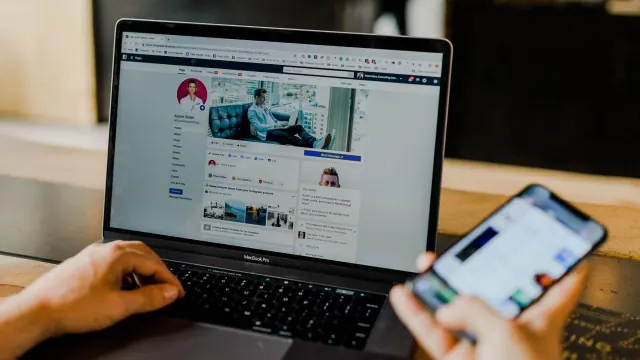
Ask what the information proves. A person who recites your name has shown they know your name, not that they're a government employee. Public information or exposed data may explain it, but you won't necessarily know the source. Don't volunteer confirmations or additional details. Contact the claimed organization independently. You can also review public posts and privacy settings, while recognizing that those steps alone don't prevent someone from attempting impersonation.
Badges and Case Numbers Are Not Verification
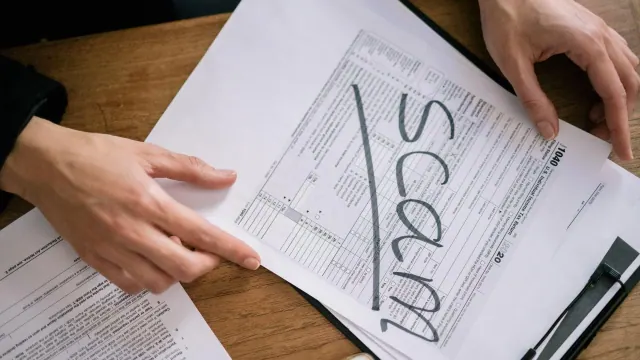
A badge image is still just an image on your phone. A case number is still something the caller gave you. Neither establishes the identity of the person supplying it. The FTC warns about impostors using official names and convincing messages. Rather than trying to spot an editing flaw or signs of AI, end the call. Find the organization's contact details yourself and ask about the claim through that separate channel.
The $50,000 Account Came From a Journalist

The story is Cowles's own account, published in The Cut. She described the callers knowing personal details and using references to her young son to heighten her fear. Not every impersonation scam will sound exactly like hers. Look for the pressure to cooperate before checking with anyone else. If the subject is your family's safety, getting independent help matters more than satisfying the demands of the person who called.
Caller ID Can Be Faked
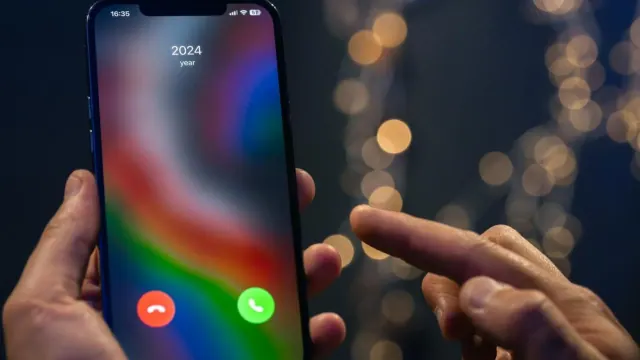
The number on the screen can belong to a real agency while the caller does not. That is caller-ID spoofing. Cowles described being called back from what appeared to be the FTC's number, which wasn't the same as independently reaching the agency. End the call. Look up the organization on its official website, or use a number on an existing statement. Don't treat returning the incoming call as a separate check.
Check Through a Separate Channel

Open the retailer's app yourself to check an order. For a bank problem, call the number on your card or statement and explain the warning you received. Don't let the suspicious caller arrange a transfer and call that verification. Another voice may belong to the same scheme. You can end the conversation, find a trusted contact and ask questions without obeying the deadline the caller invented for you.
Secrecy Keeps Other People Out

You can talk to someone else. That sounds obvious until a caller insists secrecy is necessary to protect your family. Such a demand removes people who might help you check the story. Hang up and contact someone you trust. If a threat to safety is credible and immediate, reach local emergency services yourself. Don't let the person making frightening claims also dictate the limits on getting help with them.
Moving Money Does Not Protect It
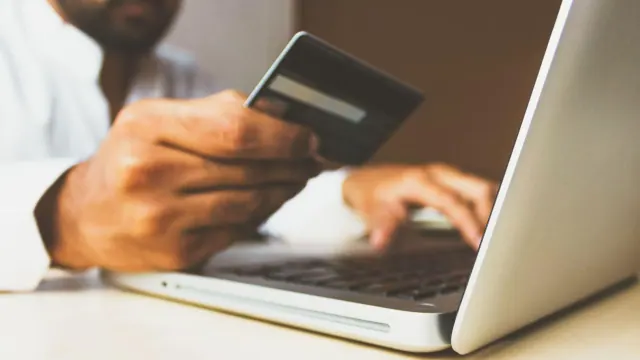
The $50,000 in Cowles's account went into a box and was handed over. She described false explanations about protecting the money and replacing identity documents. No legitimate fee was owed. The FTC's advice is to reject demands to move funds for protection. Whether the caller wants cash, a transfer, gift cards or cryptocurrency, following an unsolicited instruction to hand over your savings does not make those savings secure.
If You Already Sent Money or Shared Information

Tell your bank or payment service immediately and ask about stopping or reversing the payment. Getting it back isn't guaranteed. Save evidence and report the scam at ReportFraud.ftc.gov. For exposed or misused personal information, follow the relevant steps at IdentityTheft.gov. Change compromised passwords wherever you reused them and enable two-factor authentication. If you gave remote access to a device, follow the FTC's security guidance and get help from a trusted technical source.
Charlotte Cowles: her first-person account in The Cut
UVA Information Security: the fake Amazon-order call
FTC: age patterns in fraud reports, December 2022
FTC: phone scams, caller ID and independent verification
FTC: never move money to protect it
FTC: steps after paying or sharing information with a scammer
FTC: official-sounding identities and government impersonation