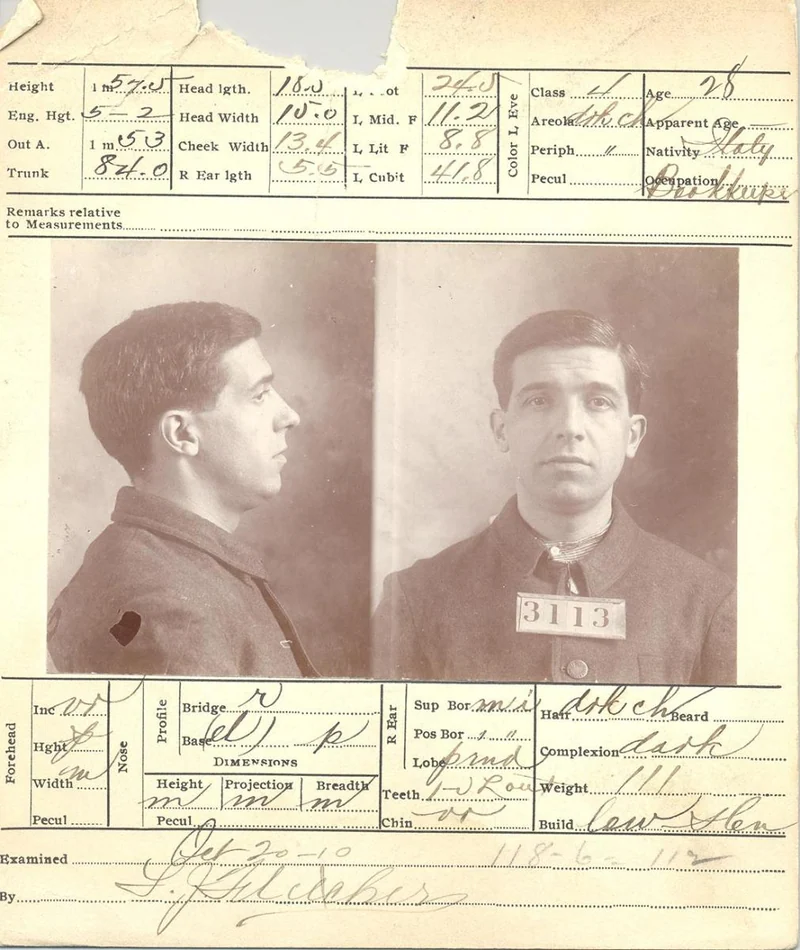
A convincing story can get money moving long before anyone checks the books. It might involve steady investment returns, a charitable promise or impressive reported profits. These cases show why it matters to distinguish a criminal conviction from a civil finding, and money collected from money actually lost. These are eleven historical cases and investigations, rather than a ranking of losses. Their figures aren't directly comparable, and a famous name doesn't make the underlying financial arrangement easier to trust.
Charles Ponzi and the payments that looked like profits
Charles Ponzi gave this type of fraud its familiar name. His postal-coupon pitch promised investors a 50% return, according to an FBI history of the case. The payments to earlier investors came from later investors' money, rather than the successful investment activity they had been led to expect. Receiving a payout could therefore make the arrangement look more convincing while the underlying problem grew. A Ponzi scheme needs fresh money to keep meeting those promises. When that supply dries up or too many investors seek withdrawals, the payments can stop. A record of earlier payouts doesn't establish that profits were earned.
Bernie Madoff’s collapse came in 2008
Madoff's investment advisory operation fell apart in December 2008. The FBI describes a business that couldn't cover withdrawal demands, despite the wealth shown on customers' statements. He pleaded guilty to eleven federal felonies in March 2009 and received a 150-year sentence that June. The distinction between account statements and real assets is central to this case. The losses and later recoveries are separate figures. In December 2024, the Justice Department announced the Madoff Victim Fund’s final distribution, bringing the fund’s total payments to more than $4.3 billion for eligible victims.
Belle Gibson’s charitable and health claims
Gibson sold The Whole Pantry app and a cookbook alongside a story about having brain cancer and healing herself naturally. Australia's Federal Court found misleading or deceptive conduct involving those health claims, as well as unfulfilled claims about charitable donations. Consumer Affairs Victoria reported A$410,000 in penalties and A$30,000 in costs. Those are Australian dollars, and this was a civil consumer-law outcome. It shouldn't be recast as a criminal sentence. The case also shows why a product's charitable pitch needs scrutiny of its own: buying something with a donation promise doesn't establish where the proceeds went.
ABSCAM was an undercover investigation

ABSCAM belongs in a different category from an investment scheme. The FBI began the operation in July 1978 to investigate stolen art, using a fictitious company called Abdul Enterprises. It expanded into fraudulent securities and then public corruption. Agents posed as representatives of a wealthy sheik, and the operation exposed officials willing to accept bribes. The FBI's history records convictions of one senator and six congressmen, among others. The supposed business opportunity was part of the undercover setup. Describing the operation as simply another scam on investors would miss what the agents were investigating and how the evidence was obtained.
Frank Abagnale and the limits of a screen story
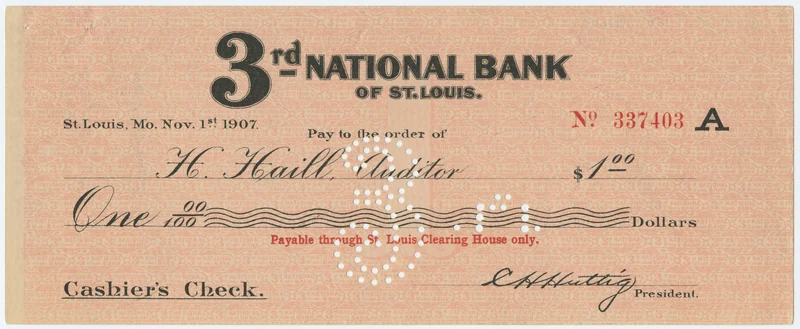
Frank Abagnale became associated with Catch Me If You Can, but a dramatized account isn't a substitute for checking particular claims. The FBI's 2012 financial-crime history describes his bad checks, arrest in France in 1969 and arrival in U.S. federal prison in 1971. That account documents a narrower history than the impersonations, escapes and multimillion-dollar totals associated with his story. When a case becomes entertainment, the useful question is which details the underlying records support. A memorable scene can't answer that question on its own.
Jim Bakker’s lodging promises
Bakker's PTL operation sold lifetime partnerships that included promised lodging benefits at Heritage Village. The Fourth Circuit's account describes oversold partnerships and money diverted from the promised facilities, leaving most partners without the lodging benefits they expected. A jury convicted him on all 24 fraud and conspiracy counts in 1989. In 1991, the appeals court upheld the conviction but vacated the original 45-year sentence and ordered resentencing because of improper considerations at sentencing. The fraud concerned what supporters were promised and how their money was used.
McKesson & Robbins and assets that weren’t there
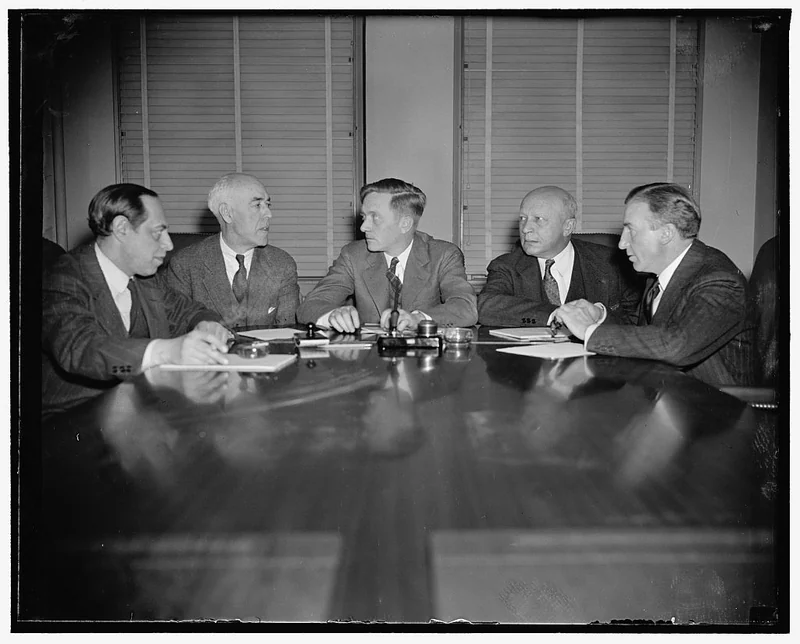
The McKesson & Robbins scandal exposed the distance between a balance sheet and the business behind it. The SEC's 1940 annual report identified roughly $19 million in fictitious assets in the company’s 1937 financial statements, which reported more than $87 million in consolidated assets. Inventories and accounts receivable formed the bulk of the invented amounts. The regulator investigated audit procedures after the fraud came to light in 1938. A later PCAOB account explains that company president Philip Musica resisted checks of inventory and receivables. Reported assets needed evidence beyond management's paperwork. In this case, checking the supposed goods and customer balances would have challenged the numbers investors saw.
Charles Keating and bonds sold at Lincoln branches
The Lincoln Savings and Loan episode shows how a familiar place can make a different financial product seem safe. American Continental Corporation, associated with Charles Keating, sold its bonds through the branches of its subsidiary Lincoln. An FDIC report says the bonds became worthless amid the 1989 failure. Many buyers later claimed they had believed the bonds were insured deposits, or as safe as them, because of where they were sold. The report describes aggressive marketing to customers with maturing certificates of deposit. The bond issuer and the product's protections mattered even when the sales conversation happened inside a thrift.
Jordan Belfort and Stratton Oakmont
Belfort's reputation extends well beyond the records of Stratton Oakmont. Those records provide a firmer starting point than the spectacle around The Wolf of Wall Street. The SEC's March 1994 digest records a settlement involving the firm and Belfort after allegations of fraudulent sales practices and market manipulation. A later federal court opinion records his guilty plea to securities fraud, money laundering and related charges, prison time, and restitution exceeding $100 million. The restitution order tells us what Belfort owed. It does not tell us what victims received.
Reed Slatkin’s fabricated investment records
The SEC reported that Slatkin fraudulently solicited nearly $600 million from approximately 800 investors over fifteen years. In 2002, he pleaded guilty to fifteen felony charges, including mail and wire fraud, money laundering and conspiracy to obstruct justice. He received a fourteen-year prison sentence in 2003. The regulator's account describes fabricated correspondence and account statements, along with lies intended to obstruct its investigation. Those records were part of the fraud, rather than evidence of investment success. The amount solicited also needs its label: money moving into a scheme isn't automatically the same measure as victims' net losses.
Enron’s reported profits and hidden debt
Enron's December 2001 bankruptcy followed accounting practices that disguised the company's financial condition. The FBI describes overvalued assets, false profits and hidden debt, with employees and shareholders suffering the consequences. A web of partnerships helped obscure what was happening. It illustrates a separate problem from a Ponzi payout: a company can make its operating performance and obligations look different from reality through its accounting. For someone reading financial statements, the questions extend beyond the headline profit to how it was produced and which obligations sit behind it. The warning signs look different when money is already missing from a bank account.