If a caller says your bank account is in danger and tells you to move your money, hang up. Open the bank’s app yourself or use the number on your card or a recent statement. If money has already left, tell the bank that right away. Ask it to check the transfer and secure the account while you’re on the line. You can pull together the screenshots and statements after that first call.
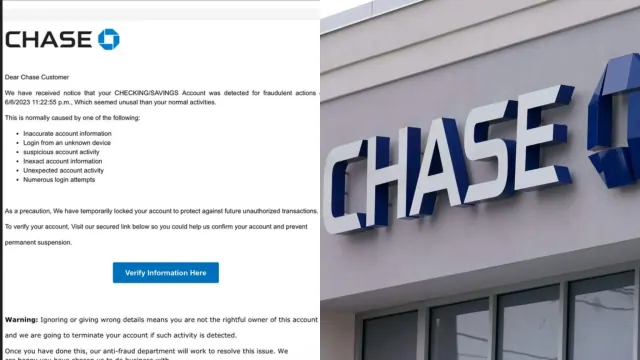
Two reports from Chase customers
In WXYZ’s 2023 interviews, Bill Brown Jr. said he spotted a $35,000 wire from his Chase home equity line of credit. He recalled a call about his computer a few days earlier, but he didn’t think he’d shared any personal information. He said he reported the wire at a branch and later learned Chase wouldn’t refund it. The interview didn’t establish how anyone accessed the line of credit.
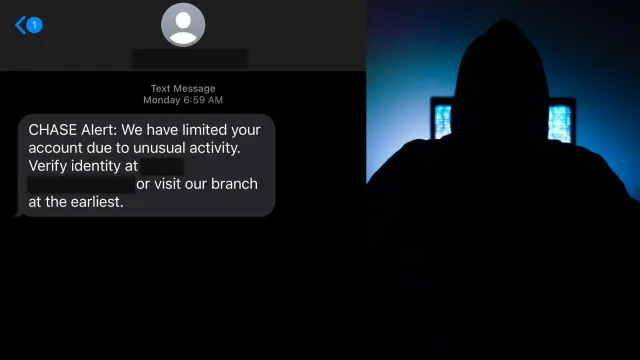
Another customer, identified by her first name, Amber, described a different sequence. She got a text that appeared to come from Chase. While she was trying to reach the bank, another call came in from someone who seemed to know her account details. She said she sent $17,500 by wire after the caller told her moving the money would keep it safe. She went back to the bank to try to stop it. Chase’s spokesperson declined to discuss the cases on the record and warned customers about impersonation. Those interviews document what the customers and the bank said at the time. They don’t establish the customers’ final outcomes.
Get the transfer details while you’re on the phone

Start with the amount, the date and the account where you saw the charge. Ask the bank to tell you whether it was a wire, a card payment or another kind of transfer, and whether it has gone through. If you sent it because someone deceived you, say that. If you didn’t send it and don’t recognize it, explain what you did and didn’t do. Those details help the bank identify the transaction and the dispute process.

If a wire is still pending, ask if the bank can stop it. If it has gone out, ask for a recall and whether the bank needs documents to contact the receiving institution. The FBI’s Internet Crime Complaint Center advises contacting the financial institution as soon as you recognize the fraud and reporting fraudulent wires to IC3. A recall asks the receiving bank to return the money. It can’t guarantee you’ll get it back. Ask for the claim or reference number before you hang up.
Check what kind of account is involved

A withdrawal from checking and a draw on a home equity line may both look like money disappearing on a screen. The home equity line is borrowed money, and the draw can show up as a balance you’re being asked to repay. Ask the lender which statement first showed the draw, where it accepts a written billing dispute and what deadline applies. If there’s a payment due, ask what the lender expects you to pay while it looks into the disputed amount. Keep the answer with your records.
The Consumer Financial Protection Bureau’s electronic transfer guidance explains that if a fraudster tricks you into giving them access information and then initiates a covered electronic transfer, it can count as unauthorized. That’s different from the customer initiating a payment under false pretenses. Some wire systems are also outside Regulation E. Neither the word “fraud” on a claim nor the word “wire” in a conversation settles what protections apply. Ask the bank to identify the payment type and how it reached its decision.

Write down the order in which things happened
A short timeline will help if you’re asked to explain it again. Note when the message or call arrived, when you saw the transfer and when you first told the bank. Save the message and your transaction receipt, if there is one, along with the statement showing the charge. If you called the bank and then got a call back, mark which number you dialed and which call came in. Save the original messages without opening any links in them.
Write down the bank’s instructions too. You may need to use a specific address or submit a written notice, even after speaking to someone. Keep a copy of whatever you send and note the date you sent it. If you don’t understand a deadline, ask when the clock started. Don’t wait for an outside complaint to be answered before following the bank’s dispute instructions.
Secure the account and watch for a second attempt
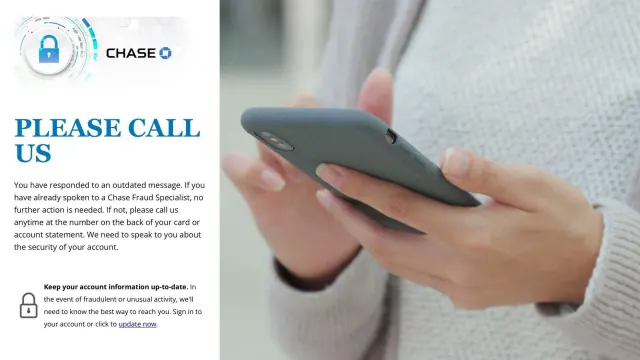
Tell the bank if someone saw a passcode, had access to a device or persuaded you to install software. Use a device you trust to change affected passwords and check for unfamiliar payees or contact details. Ask the bank what access it can block, and review later statements for any transfers you missed. If you find an unfamiliar payee, tell the bank before you make another transfer.

Someone who offers to recover the money for an upfront fee can be running a second scam. Keep that message too, but don’t pay or share access to the account.
If the bank closes the claim, read its reason

Look for what the bank actually decided. Did it say you sent the payment, that it verified the payment under an agreed procedure or that your notice came too late? If you think the facts are wrong, point to the specific date or transaction and explain the discrepancy. For a covered electronic transfer dispute, Regulation E says that if the institution decides no error occurred, it has to send a written explanation and tell you that you can ask for the documents it relied on.
If you still can’t get an answer, you can submit a complaint to the Consumer Financial Protection Bureau. The bureau routes complaints to companies or, where appropriate, another agency. Include the dates, what the bank told you and what you’ve asked it to do. A complaint doesn’t guarantee repayment or replace a dispute deadline. Keep the bank’s letters and your notes together so you can answer follow-up questions without starting from memory.