Figuring out if a flight upgrade is worth it comes down to arithmetic before anything else. Add the upgrade price to what you already paid for the ticket, because that total is the real cost of the seat you’d be sitting in. Then check exactly which benefits and restrictions change. A better seat may suit your trip, but an upgrade isn’t automatically a bargain, and there’s no reliable trick that gets every traveler into first class for an economy fare.
Check what the cabin includes
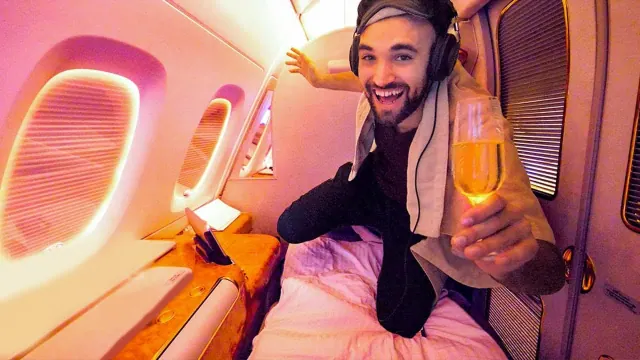
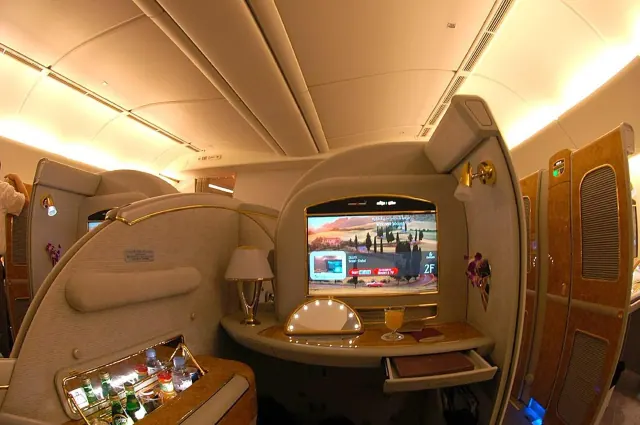
Before you compare prices, find the airline's description of your actual flight and aircraft. Check seat dimensions and recline, meals, baggage and lounge access. A cabin name or a good photograph won't tell you what comes with your ticket. Take Delta First: you get snacks on flights under 900 miles, while meal service depends on distance and departure time. The details for your flight matter more than the picture that caught your eye.
Compare the whole price
Say you pay $420 for economy and another $180 to upgrade. That's $600. Buying a $570 premium ticket directly would save $30, if taxes, fees and included services were identical. These prices are invented to show the calculation, not current offers. Use the same dates and flights when you compare, and check if you're upgrading one leg or the whole itinerary. If you're paying with miles, count any extra cash charge too.

Count the cost of earning rewards
Points don't tell you what an upgrade really costs if you leave out the cost of earning them. The Consumer Financial Protection Bureau advises weighing a card's benefits against annual fees and interest costs. Check your own agreement. Extra spending to reach a bonus adds to your costs, as does carrying a balance. A possible better seat doesn't tell you that borrowing fits your budget or that you should apply for a card.
Check the fare before counting miles
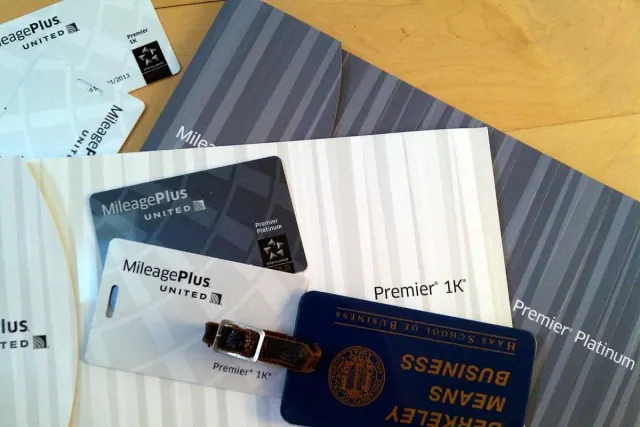
You can join a loyalty program and still hold a ticket that won't earn miles or allow an upgrade. Delta Main Basic, for example, earns no miles and doesn't qualify for paid or complimentary upgrades. That's a restriction on this particular fare, not every airline's cheapest ticket. Read your fare name and booking terms, and check which airline operates the flight. An upgrade request also isn't a confirmed seat, so don't plan around it yet.
Give flexible dates a fair comparison
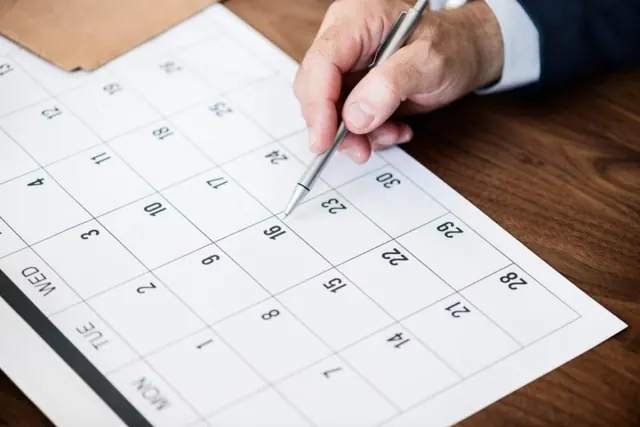
Moving your flight might mean paying for another hotel night or an extra airport transfer. Add those costs before you decide a lower fare saves you money. If you have room to change dates, compare complete itineraries with the same baggage and cancellation needs, including the price of the upgrade you're considering. You could end up with a cheaper flight and a more expensive trip. Flexible dates don't guarantee a cheap upgrade.
Read the offer behind the email
An upgrade email gives you something to check, but it doesn't prove you've found a bargain. Open the airline's official website or app yourself and go to your reservation. Before paying, read the terms and check the flight, passenger count, currency and total charge. Save the offer and confirmation so you have both. Signing up for marketing emails doesn't guarantee an offer for your booking, and waiting doesn't guarantee a lower price.

Volunteering means negotiating a different trip
On an oversold U.S. flight, you can negotiate money or vouchers for volunteering, according to the Department of Transportation. First class isn't promised. Before giving up your seat, ask if the replacement is confirmed or standby, when you'll arrive, and who covers meals, a hotel and transfers. Read any voucher restrictions before agreeing. Volunteering and involuntary denied boarding have different protections; don't assume the deal you're offered includes the protections for passengers bumped involuntarily.

A bid is an offer, not a booking
With Air New Zealand's OneUp, you can request an upgrade of one cabin on eligible international flights ticketed and operated by Air New Zealand. Moving from Economy to Premium Economy isn't first class. Available seats, other offers and your booking details affect the decision. Even the offer-strength indicator can't promise acceptance, though you won't be charged for an unsuccessful offer. Check the program you're using, because other airlines don't necessarily handle bids the same way.

Ask at the airport without relying on it
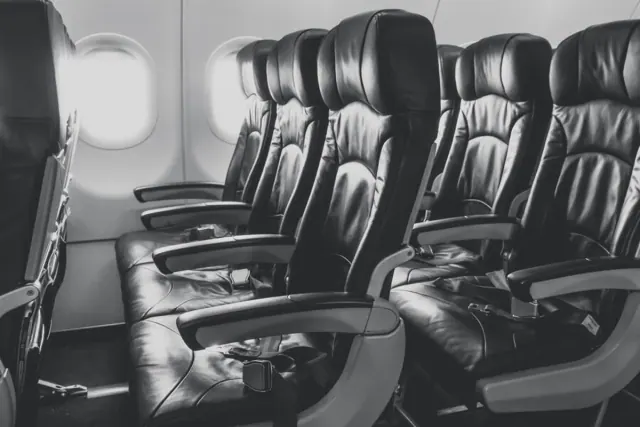
Ask airport staff what upgrades your reservation allows, but don't count on a free seat or a discount. Delta's upgrades after purchase depend on availability and exclude Basic experiences. You buy them for individual flights, and everyone on the reservation must upgrade for the selected flight. Until a change is confirmed, plan to travel in the cabin you booked. A photograph showing an empty seat doesn't tell you if that seat is available to buy.

Read what changes after acceptance
Your OneUp offer with Air New Zealand is priced per person for a single flight sector. Make it online and it applies to everyone in your booking. Acceptance doesn't replace your original ticket's change and cancellation conditions. And if your offer is accepted after check-in or at the airport, you keep the original baggage allowance. Check those details as you add up the cost: the better seat may not come with more baggage or flexibility.
Decide what the extra comfort is worth
You might prefer more room on this flight, or you'd rather keep that money for accommodation. Look at the full final cost alongside the flight's length, departure time and the confirmed seat you're being offered. A long flight alone doesn't make the upgrade worth paying for. If the total is above your limit, you can keep your original ticket. Make the decision using the comfort you need and the price you actually have.