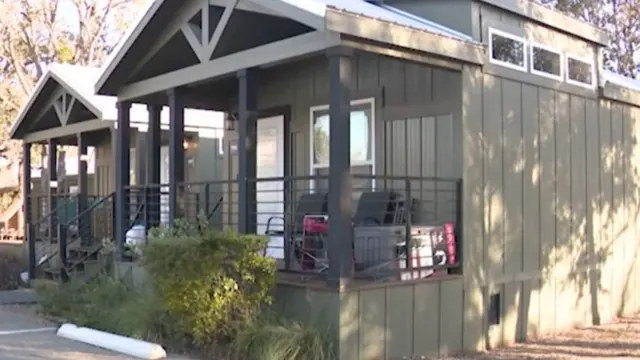
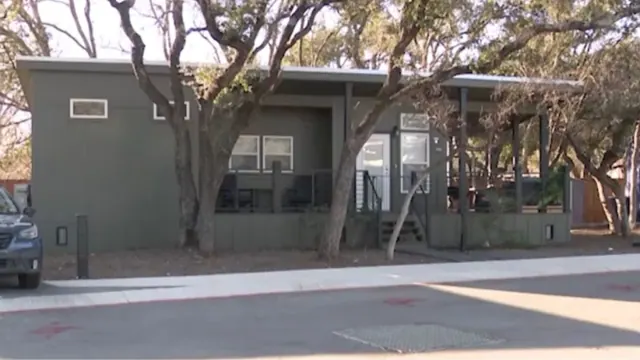
A smaller home can lower the amount of space you pay for without protecting you from the next rent increase. In reporting from 2024, Austin resident Elizabeth Illing described that problem at the Casata micro-home community. Her reported monthly rent rose from $1,340 to $1,700. This is a look back at that account, not a claim about her housing situation today.
The increase was $360 a month
Using the two rent amounts in the source account, the difference was $360 a month, or about 27%. If that difference continued for twelve months, it would total $4,320. The increase was described in coverage as nearly 30%. Keeping the starting and ending amounts visible makes the scale clearer than the rounded percentage alone.
A home she hoped to keep

Illing told KVUE, according to the archived account, that she had pictured staying there long term. The appeal of the community went beyond having fewer rooms. For a parent choosing where a child will grow up, stability can be part of the value. An affordable starting rent doesn't establish what the renewal will cost.
The attraction of outdoor space

The source reporting described Illing wanting her daughter to have an outdoor childhood like the one she remembered. That explains why a small home in a community could appeal to her. It doesn't mean every tiny-home renter has the same priorities. Compare the setting and facilities you will use, alongside the price and the space.
Help didn’t remove the pressure

In the archived account, Illing said she had received help from churches and family members. That was her description of coping with the bills at the time. It shouldn't be turned into an assumption that support will always be available, or that it solved the problem. A recurring increase can outlast a one-off contribution.
Concern wasn’t a confirmed outcome
The original coverage described Illing's fear of losing her housing. It did not establish in the material available here that she was later evicted or became homeless. Those are different claims. The account illustrates the uncertainty a rent increase can create without requiring an invented ending to the family's story.
The operator gave a different explanation

The archive attributes a response to Casata CEO Aaron Levy, who told KVUE that the community had operated at a loss during its first year. That was the operator's explanation for the pricing pressure. It doesn't independently verify the company's accounts, and it doesn't change what a higher renewal price would mean for a renter's budget.
Tiny is a size, not a price guarantee

A development's location, facilities and operating model all sit behind the amount it charges. The word tiny describes the home. Before choosing one to save money, compare its complete monthly cost with available apartments or other housing that meets your needs. A smaller floor plan may come with features you value, but the price still needs checking.
Avoid carrying an old city ranking forward

Rankings of expensive Texas cities can add to the confusion. Those comparisons change with the year, measure and properties included. They aren't needed to understand Illing's account. Use current available homes when making a decision now, rather than assume a rent comparison from the earlier reporting still describes the market.
Compare equivalent arrangements
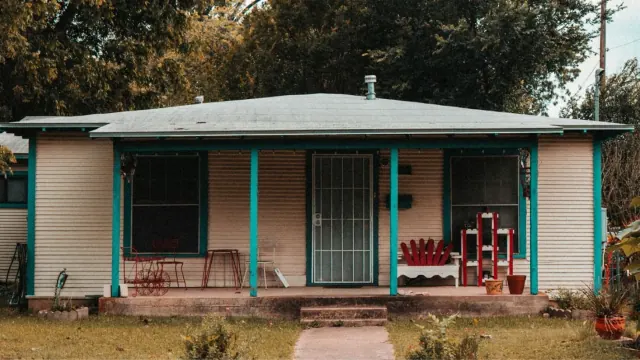
A rent comparison needs more than square footage. Check utilities, parking, required fees and the facilities included in the advertised amount. Consider the commute and access to school or childcare as well. A larger home in another city may look better on paper while bringing costs or practical changes that the rent figure doesn't show.
Read the renewal terms early
Before signing, look for the lease provisions about term, renewal and required notice. A renter with questions about their legal rights should use guidance for the property's jurisdiction and lease. The experience described in an old news story doesn't establish the rules for another tenant, even within the same state.
Budget beyond the first advertised price

Ask what the quoted rent includes and when the agreement will next be reviewed. Keep the documents showing the price and terms you accepted. A smaller home may still be a good fit. Illing's historical account shows why the decision also needs room for a question the listing photo can't answer: what happens when the initial term ends?