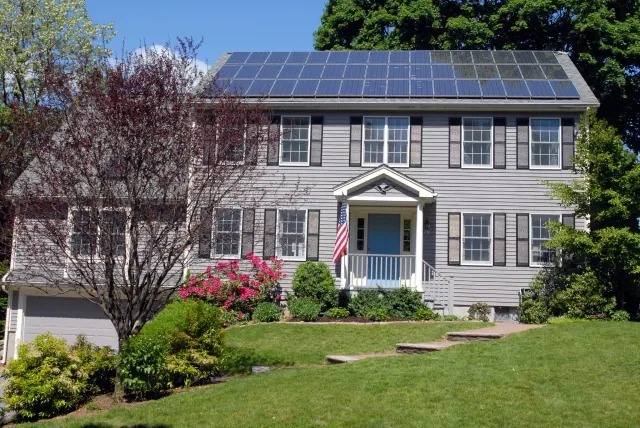
Solar panels on a listing photo don't tell you who owns them or what the next homeowner will owe. The seller might own the system outright, still be paying a loan, or have a contract with a separate company. Before treating the panels as a bonus or a deal-breaker, ask for the paperwork. The financing arrangement can matter as much as the equipment on the roof.
Why a realtor’s warning needs context
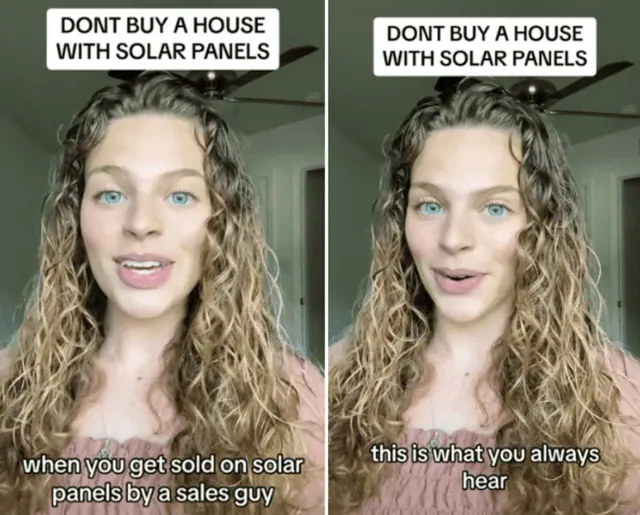
Virginia real-estate agent Alexis Lohse's warning about buying homes with solar panels drew attention to the question. Her concern was the financial complication a buyer might inherit. That is worth examining, but a warning about a particular arrangement doesn't establish that every solar home is a bad purchase. A paid-off system and a long-term lease can present very different questions for a buyer.
Ask who owns the equipment
Start with ownership. If the homeowner owns the system, ask how that ownership will be documented in the sale and whether any debt remains. If a separate company owns it, ask for the lease or power-purchase agreement. A verbal assurance that the panels are included is less useful than documents showing what will transfer, what won't and who needs to approve it. Ask for the full agreement and any amendments, not a summary of the monthly charge. Record the provider's contact details and confirm that the person answering questions is authorized to explain the contract. The sale paperwork should make clear which obligations remain with the seller and which the buyer would accept.
A loan may need a payoff or an approved transfer
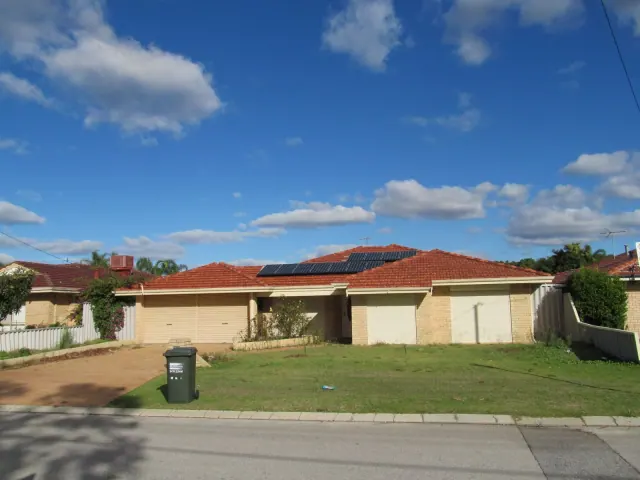
The Consumer Financial Protection Bureau explains that selling a home with an unpaid solar loan can involve the buyer legally assuming the loan, if the lender allows it, or the seller paying off the remaining balance. Get the lender's actual requirements. The parties shouldn't discover at closing that the proposed solution depends on consent or paperwork nobody has obtained yet.
Give the mortgage lender the full picture
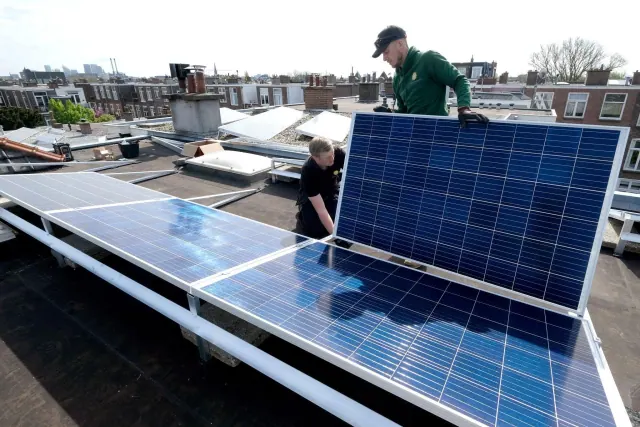
If you would be taking on a continuing solar payment, tell the mortgage lender early. An additional obligation can affect the financing review. That doesn't mean solar automatically prevents a mortgage approval, as the original story could imply. It means the buyer needs the real terms considered alongside the home loan, rather than treating the solar payment as a detail to settle afterward.
Read a lease differently from a loan
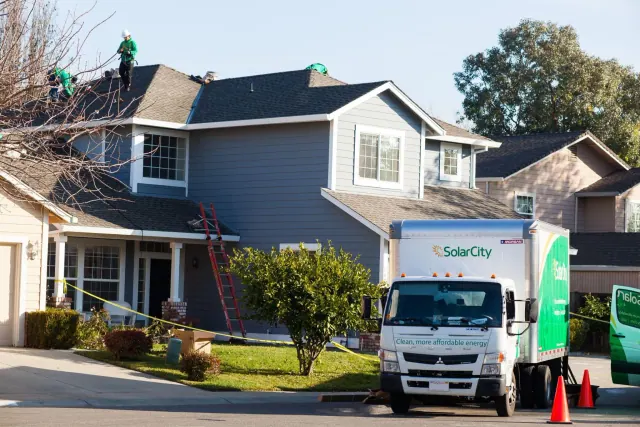
A lease involves paying to use equipment owned by someone else. A power-purchase agreement typically involves buying the electricity the system produces. A loan finances equipment ownership. Don't substitute one label for another because each can create different obligations. Ask how payments are calculated, how long the arrangement runs and what the contract says happens if the house changes hands. Check whether the payment can increase and what happens at the end of the term. Look for charges tied to early termination or transfer. These aren't details to infer from the fact that the system has been operating successfully; they belong in the written agreement.
Avoid adding a second purchase you don’t understand
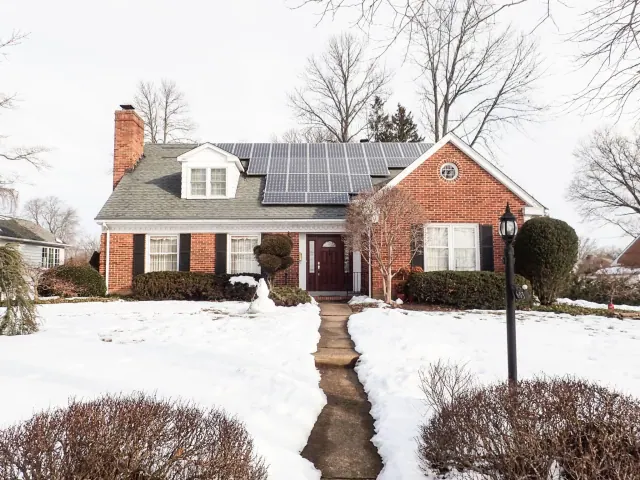
The original realtor compared an unexpected solar obligation with taking on another large debt during a home purchase. The useful part of that comparison is the need to budget for both commitments. It isn't proof that only wealthy buyers can afford solar. Add the actual continuing payment to the housing costs and compare that with the system's documented benefits and remaining obligations.
Panels can have value without justifying any asking price

The Department of Energy says solar systems can increase a home's value. Their value still needs to be assessed for the actual property. It still doesn't establish what this installation is worth to this buyer. A system's condition, ownership and performance matter. Keep the asking price separate from the seller's estimate of future savings, and have the transaction evaluated on its own terms.
Check the roof and the system’s age
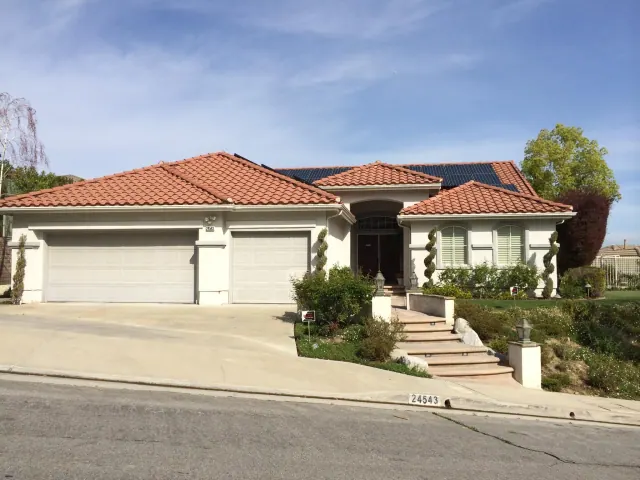
The panels and the roof won't necessarily need work on the same schedule. Ask when the system was installed and what is known about the roof beneath it. Find out who would handle removal and reinstallation if roofing work becomes necessary. The Department of Energy's buyer guide also recommends checking installation, warranty and equipment information, rather than relying on appearance alone.
Use production records rather than a promise

Ask for the system's available production history and the home's utility bills. A sales estimate and an operating record answer different questions. Your household's electricity use may differ from the seller's, too. A small bill in one month doesn't prove that the home has no ongoing electricity cost, or that a buyer with different habits would see the same result throughout the year. Ask how a change in the electricity bill relates to any separate solar payment. A lower utility charge can coexist with a loan or lease installment. Comparing only one of those bills can make the overall arrangement look cheaper than it is.
Comment-section experiences are examples, not rules

Some commenters in the source story said they required the seller to pay off the panels. Others described successful transfers. Both kinds of account can reflect real arrangements without establishing a universal rule. A comment doesn't tell you the writer's contract, lender or transaction details. Use those experiences to form questions for the people handling your sale, rather than copy a stranger's terms.
Settle the documents before you commit
Gather the ownership or financing agreement, current balance if applicable, transfer requirements and relevant warranty records. Ask the seller, provider, lender and your transaction professionals to resolve contradictions in writing. Check the complete cost of the home and any continuing solar obligation together. The decision then rests on a specific property and contract, rather than a social-media verdict on all panels. If the answers remain unclear, pause the solar part of the decision until the responsible parties explain it. A buyer should be able to describe, in ordinary language, what is being purchased, who owns it and what payments or other commitments will continue after the sale.