
A job advertisement can waste your time without being a criminal scam. It may be old, paused or collecting candidates for later. A different kind of fake listing impersonates an employer to steal money or personal information. Those problems call for different checks. Start by confirming that the company and the opening exist before you treat a message from a recruiter as proof of a job.
Silence doesn’t tell you what happened

An unanswered application can reflect a filled vacancy, a delayed process or a decision you weren't told about. It doesn't prove you were unqualified, and it doesn't prove the employer never intended to hire. Keep a record of applications and follow up through the employer's stated process. Continue looking elsewhere rather than spend indefinitely interpreting one company's silence.
A ghost listing and an impersonation are different

A genuine company may leave a posting open while it considers future hiring. A scammer may copy that company's name and advertise an entirely invented job. The first raises questions about the opening's status. The second puts your information or money at risk. Verify who is contacting you as well as what role they say they are offering.
Don’t turn one survey into a verdict on all listings
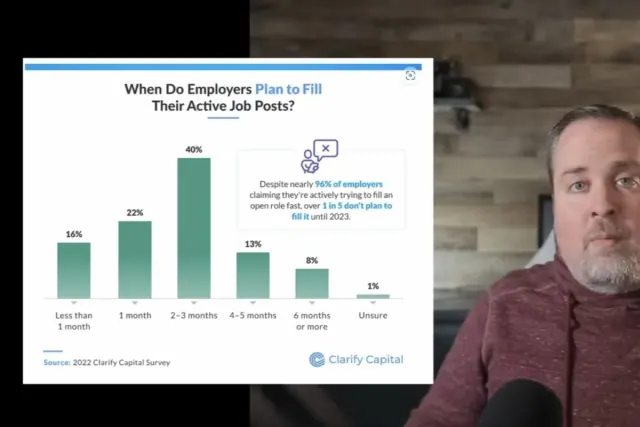
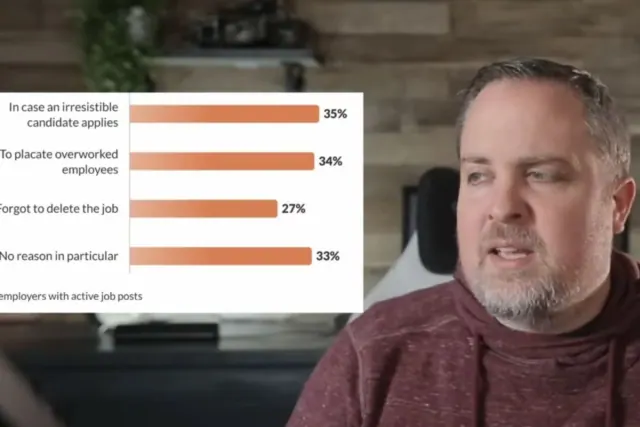
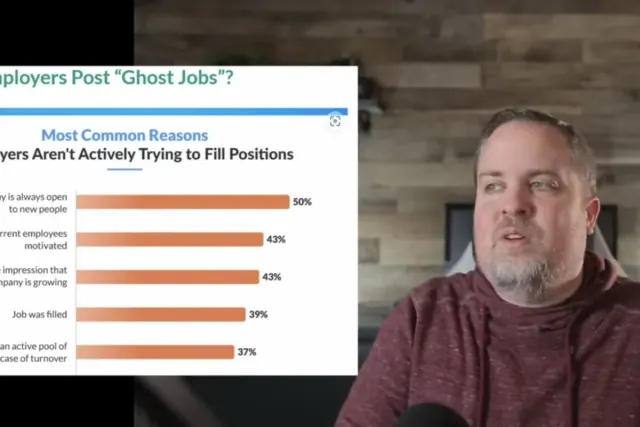
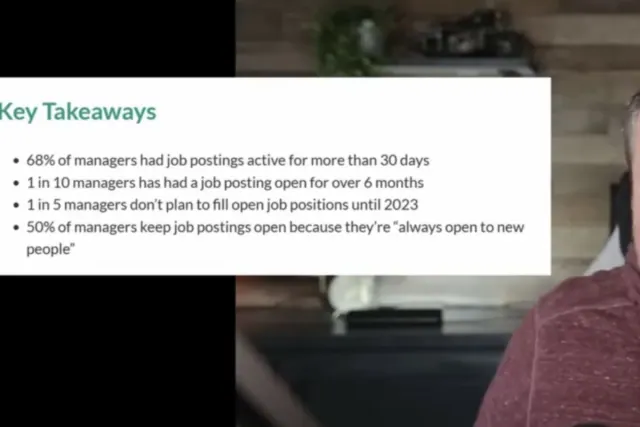
Some discussions of ghost jobs use employer surveys to suggest that most advertised positions do not exist. That conclusion goes beyond a survey of selected hiring managers. A research result needs its sample, question and date. For your search, check the particular vacancy rather than assume every unanswered application belongs to the same national pattern.
Find the employer independently
Use the company's own website and a contact route you locate yourself. Check whether the opening appears there or ask how to verify it. A familiar logo, copied website or message naming a real employee isn't enough. Be cautious if the supposed recruiter won't explain the process or insists that you use only the contact details in an unexpected message.
Read the address carefully
Look for an email domain or website address that differs from the real employer's. A small spelling change can be easy to miss while you're excited about an offer. At the same time, a plausible-looking address isn't a guarantee. Confirm the contact through an independent route before relying on it, especially when the next step involves personal documents or money.
Pause when the job requires you to send money
The FTC warns about job scams that ask applicants to pay or deposit a check and send part of the money onward. A balance appearing in your account doesn't prove a check is genuine. It can later be reversed, leaving you responsible. Don't buy equipment or send a refund to a supposed employer on the strength of an unexpected check.
Keep sensitive information for a verified process

Real employers need information for legitimate hiring and payroll tasks. The question is who is requesting it, at what stage and through what system. Don't send bank details, identification documents or a Social Security number merely because a stranger has offered a role. Verify the employer first and ask how the information will be collected and protected.
Use questions to test the opportunity

Ask what work the position involves, who supervises it and what happens next in recruitment. Check the pay arrangement and location. A recruiter should be able to explain the process or direct you to someone who can. Pressure to act before you can verify basic details is a reason to pause, not proof that the offer is too good to miss.
Act promptly if you shared information or paid

Contact your bank or payment provider promptly if money was sent, and explain what happened. Report a suspected job scam to the FTC at ReportFraud.ftc.gov. If personal information was exposed, use IdentityTheft.gov for recovery steps. Save messages, listing links and receipts. Reporting helps document the incident; it doesn't guarantee that a payment can be recovered.