Add a checked bag, parking, lunch and a seat upgrade, and the number on the booking screen starts to look incomplete. Here are twelve places to check, with a few corrections to travel tricks that promise more than they can deliver.
Price the upgrade before you get to the airport

An airport upgrade might cost less than the offer you saw online, but it might also be unavailable or more expensive. Compare the price in your reservation, the airline app and, if you're still interested, at the airport. Treat an upgrade as an optional purchase with a spending limit.
Courtesy helps; it doesn’t buy a premium seat
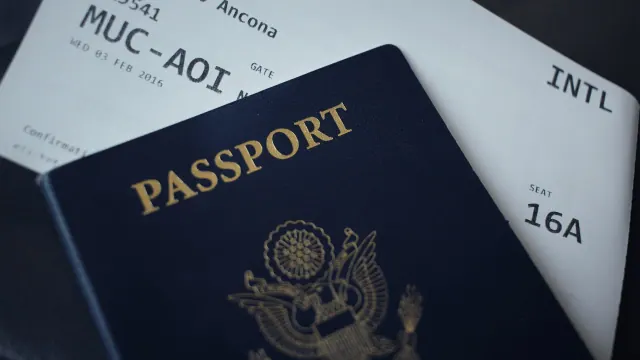
Being polite to airline staff is worthwhile on its own. Arriving early also gives you time to sort out a problem. Neither guarantees a free business-class seat. Complimentary upgrades depend on the airline's rules, your ticket, status and available space. Keep enough time for the flight you booked, rather than building the budget around a favor.
Carry an empty water bottle

Bring an empty reusable bottle through the security checkpoint and refill it where drinking water is available afterward. That can avoid repeated bottled-water purchases. A full bottle of ordinary water is subject to the applicable liquid restrictions. Don't assume the cabin crew can refill any container during a busy service; having water before boarding is the more dependable plan.
Pack food that can pass screening

Solid snacks and sandwiches can be a useful alternative to airport prices. Spreads, soups and other liquids or gels face different screening rules. Check TSA guidance for the actual item, and check destination restrictions before taking food across a border. Something allowed onto the aircraft may still need to be eaten or declared before entry into another country.
Frozen liquids have a strict condition

TSA says frozen liquid items must be frozen solid when presented for screening. A partially melted, slushy item, or one with liquid at the bottom, must meet the ordinary liquids requirements. Freezing a large drink isn't a reliable way around the rules if it melts in the security line. Packing an empty bottle is usually much simpler.
Compare duty-free prices with ordinary prices
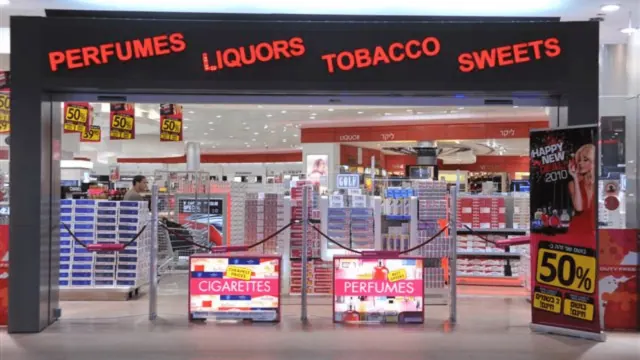
A duty-free label doesn't establish that an item is cheap. Compare the same product and size with prices you can actually buy elsewhere. Currency conversion and any destination customs allowance also affect the calculation. Buying something you hadn't planned to buy uses up travel money even when the shelf price looks like a discount.
Be flexible about the flight, not a magic booking day
There isn't a dependable weekday that makes every ticket cheaper. Search different departure dates, airports and times, then compare the total itinerary cost. A less expensive flight can lose its advantage if it requires another hotel night or a costly airport transfer.
Decide about onboard purchases in advance
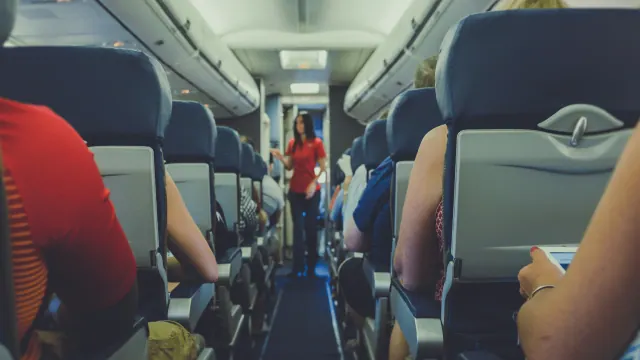
Check what your fare includes before boarding. Food, drinks and Wi-Fi may cost extra, and the available menu can be limited. Bringing permitted food gives you another option if service changes. The saving comes from replacing a purchase you would otherwise make, not from buying a large airport meal to avoid a smaller onboard charge.
Calculate the whole parking bill
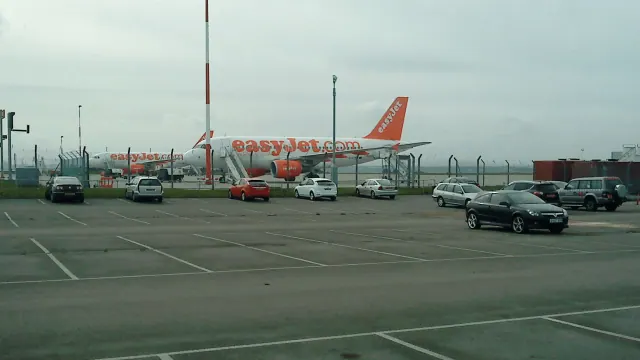
Multiply the daily parking price by the number of chargeable days and check taxes, shuttle hours and pickup arrangements. Compare that with a realistic round-trip taxi or rideshare quote. A lift from a friend can help if it works for both of you. Leave enough time for whichever option you choose; missing a flight overwhelms a small parking saving.
Look at exchange fees as well as the rate
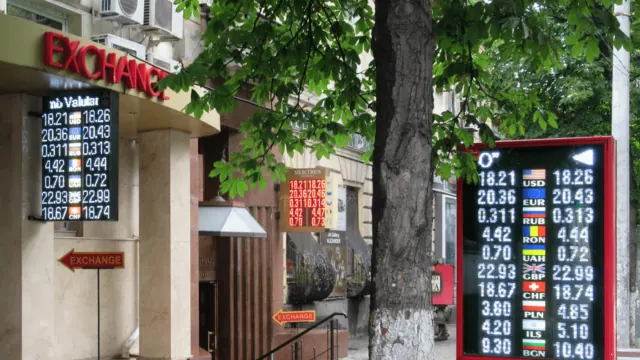
For currency, compare the amount you'll receive after fees rather than the advertised exchange rate alone. Airport desks can be convenient, but convenience may cost more. Bank cards and cash machines can also impose charges. Work out what you need for arrival, check your own provider's terms and avoid carrying more cash than you're comfortable protecting.
Count the cost of loyalty perks
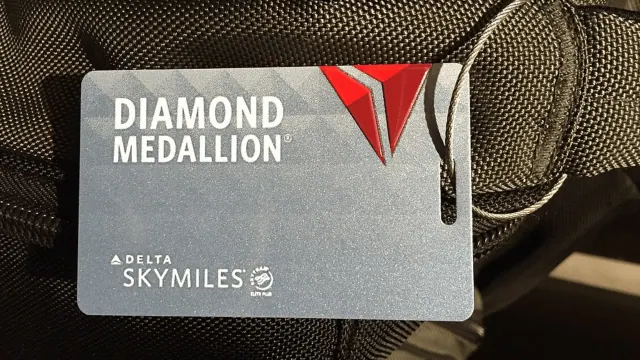
Airline programs and credit cards may include useful benefits, but eligibility, annual fees and restrictions matter. A free checked bag is valuable only when it applies to your trip. Compare the card's full cost with benefits you expect to use, and include any interest you would pay. A reward isn't a saving if chasing it makes the trip cost more.