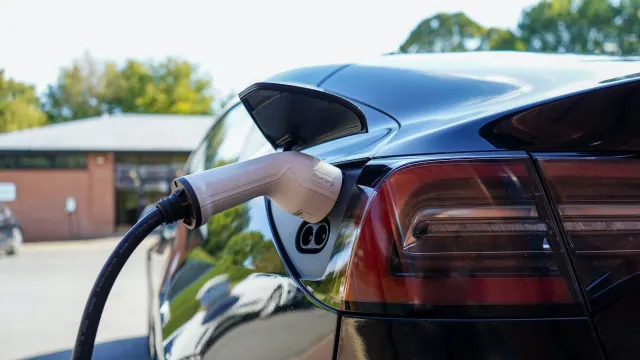
A claim that an electric vehicle costs $17 a gallon to fuel sounds like a warning about your next charging bill. The number comes from a 2023 report by the Texas Public Policy Foundation. Its $17.33 figure combines estimated policy and infrastructure costs with charging expenses. It isn't a national average price drivers pay for electricity at a charger.
What the report actually counted
The authors, Brent Bennett and Jason Isaac, examined a model-year 2021 EV over ten years and 120,000 miles. They assigned costs to subsidies, regulatory credits and charging infrastructure, among other items. Their gasoline-equivalent total reflects that framework. It shouldn't be read as a receipt, a current electricity tariff or a forecast of what every owner will spend in 2026.
Keep different costs in separate columns
Your charging payment, the price of installing equipment and a government's spending on incentives answer different questions. Combining them may be useful in a policy argument, but it doesn't show your monthly electricity bill. For a household comparison, list the costs you expect to pay directly. Evaluate broader public costs separately, with their assumptions and dates visible.
MPGe doesn’t tell you the price

An EV's miles-per-gallon-equivalent figure compares energy use with the energy in gasoline. It doesn't convert electricity into a dollar price per gallon. For a spending estimate, the consumption rating in kilowatt-hours per 100 miles is more useful. Multiply that consumption by the rate you expect to pay, then compare the same distance in a gasoline vehicle.
Try an example with stated assumptions

Suppose an EV uses 30 kilowatt-hours of billed electricity to travel 100 miles. At a hypothetical rate of 20 cents per kilowatt-hour, that trip costs $6. At 50 cents, it costs $15. Neither rate is a claim about today's national average. The example shows why the electricity price and energy used both belong in your calculation.
Check where you’ll actually charge

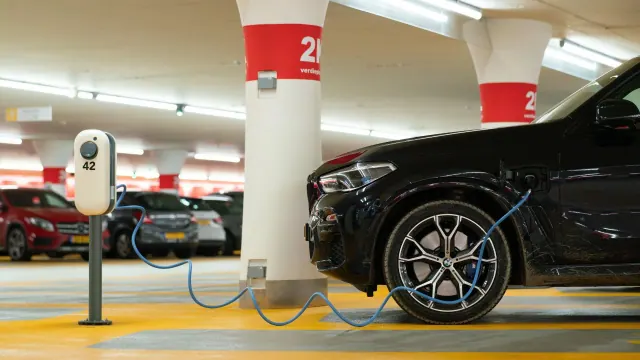
Home charging, workplace charging and public charging can produce different bills. Check the rates and any session or parking charges at the locations you'll use. If home equipment is needed, get an installation quote, including possible electrical-service work. Spread that upfront expense across a realistic ownership period rather than assuming the same installation cost applies to every driver.
The federal credit rules have changed

The 2023 report describes an earlier policy environment. Current IRS guidance says the new, used and qualified commercial clean-vehicle credits aren't available for vehicles acquired after September 30, 2025. A qualifying earlier acquisition can have a later delivery date, subject to the requirements. Don't subtract an old advertised credit from a new purchase without checking eligibility and acquisition timing.
A conventional hybrid works differently
A conventional hybrid combines an engine with an electric motor and doesn't plug into an outside electricity supply. Its battery recharges through the engine and regenerative braking. That can make it an option for someone without dependable charging access. Compare the particular vehicle's fuel economy and purchase price, rather than assuming every hybrid beats every EV on cost.
A plug-in hybrid adds another choice

A plug-in hybrid can use grid electricity as well as gasoline. How often you charge and how far you drive between charges affect fuel use. A short commute within electric range can look different from repeated long trips. Budget for both energy sources and use your likely driving pattern, rather than treating the vehicle as always electric.
Fuel cost and emissions are separate measures

An inexpensive charging session doesn't by itself measure environmental impact. All-electric vehicles have no tailpipe emissions, but generating their electricity can create emissions elsewhere. EPA says emissions associated with driving them are typically lower than those of gasoline cars, with results affected by the electricity source. A policy-cost figure expressed in dollars doesn't settle that environmental comparison.
Include the rest of ownership

Fuel is one expense. Purchase price, financing, insurance, maintenance and eventual resale also affect what a car costs you. All-electric vehicles generally have fewer maintenance requirements, but that doesn't guarantee the lowest total for every model. Check battery warranty terms and obtain insurance quotes for the cars you're considering. Use the same ownership period and annual mileage throughout.
Build a comparison you can use
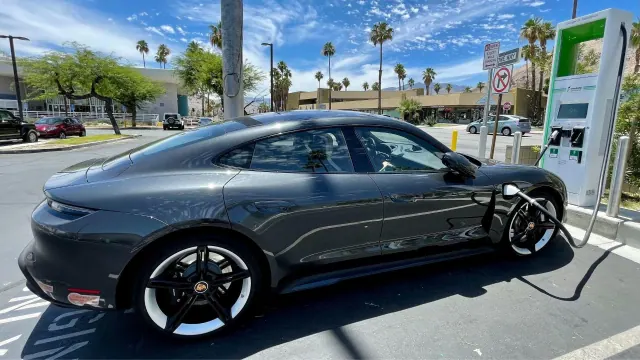
Choose vehicles that meet the same passenger, cargo and travel needs. Enter your local energy prices, expected miles and realistic charging access into a model comparison. Include any verified state or utility incentive separately. The useful result is a budget you can explain: what you'll pay upfront, what driving may cost and which assumptions could change the answer.