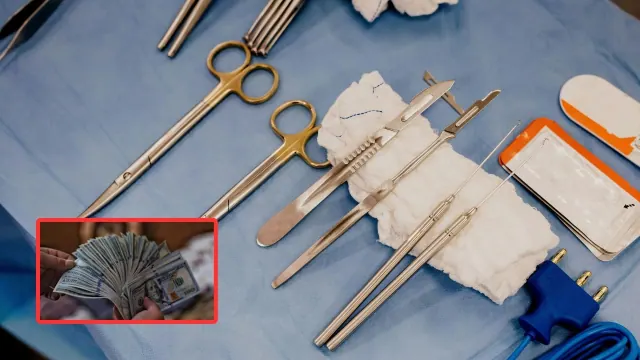
A Medicare claim can be filed in your name without a service ever taking place. You may not notice at the time, especially if no one asks you to pay. That is one reason to review claims even during a period when you haven't needed much care.
Phantom billing refers to charging for services or supplies that were never provided. An unfamiliar entry is worth checking, although a billing mistake is not automatically fraud.
What Phantom Billing Means

The claim describes something that did not happen: an appointment, a test or equipment that the beneficiary never received. It can appear among genuine claims, making a quick glance less useful than checking the details.
Compare the service date, provider and item with your own records. If you don't recognize the name, investigate before deciding what it means. Sometimes the billing name differs from the name you know.
Why Catheter Claims Drew Attention

Urinary catheter billing became a prominent example. CMS said it identified a concerning increase in early 2023, linked to a small group of medical-equipment suppliers.
For a beneficiary who never ordered or received those supplies, a catheter entry could be the clue that something was wrong. The equipment itself is legitimate when needed; the concern is a claim that does not match actual care or supplies.
An Error and Fraud Are Different

An incorrect code, duplicate entry or administrative mix-up may need correction without being deliberate deception. Fraud involves intentional wrongdoing. A patient usually cannot establish that intent from a statement alone.
Start by asking the provider's office about an unfamiliar charge. If the explanation doesn't fit, or you suspect fraud, use Medicare's reporting route. Keeping the distinction clear helps you describe what you know without making unsupported accusations.
Looking for Unusual Patterns

A single person's record shows one piece of the picture. Program administrators can also examine patterns across suppliers and claims. The unusual catheter billing prompted CMS to address its effect on certain Medicare financial calculations.
That response concerned a defined billing problem. It did not mean every catheter supplier was fraudulent, or that every claim in a growing category was improper. Suspicious patterns need investigation, not blanket assumptions.
A Large Number Is Not Your Personal Bill
Reports about fraudulent claims often cite large totals. Those figures can describe money billed to a program rather than an amount an individual patient must pay. The difference matters when you open a notice.
A Medicare Summary Notice is not a bill. It shows services or supplies billed to Original Medicare, Medicare's payment and the maximum amount you may owe. Read those fields separately rather than treating the largest number as an immediate demand.
Why It Matters Even Without a Charge

Fraudulent billing can waste program funds and place incorrect information in a person's claims history. A claim should match the care or equipment actually provided, whether or not it creates an out-of-pocket charge.
That is why checking a notice is useful even when the amount you owe is zero. You are looking for an accurate record, not only for a bill that seems too high.
The Program’s Response

CMS issued a rule in 2024 addressing the effect of highly suspect catheter billing on Shared Savings Program calculations. The change was aimed at preventing that unusual activity from distorting the relevant financial results.
It was one administrative response to the problem. A policy announcement does not remove the value of checking your own claims or establish that every suspicious entry has already been found.
Make a Small Record of Your Care

A calendar with appointment dates and a note of supplies received can make statements easier to check later. You don't need an elaborate system. A few reliable details are more useful than trying to remember every visit months afterward.
When a claim looks wrong, keep the notice and any relevant receipts. Write down what you asked the provider and what they told you.
Check Through a Secure Account

People with Original Medicare can view processed claims through a secure Medicare.gov account. Medicare Advantage members can check their plan's claims information. Use a known official route rather than a link in an unexpected message.
Ask someone you trust for help if the paperwork is difficult, while protecting your Medicare number and account credentials. Needing assistance does not mean you should hand those details to an unsolicited caller.
Report What Does Not Add Up

Medicare directs people who suspect fraud to 1-800-MEDICARE, or 1-800-633-4227, and its online reporting guidance. Have the claim details available so you can describe the service, date and provider involved.
Explain what you know: for example, that you did not receive the listed supplies. You do not need to solve the entire scheme before bringing an unexplained claim to Medicare's attention.
Keep Checking

Reviewing claims is a routine worth keeping. A statement can contain useful information even when it is marked as something other than a bill.
If an entry doesn't match your care, ask about it and follow up. A clear record of what you received, what was billed and whom you contacted can make that process easier.
Medicare: fraud reporting and identity protection