
Changing where you shop can change the grocery bill. The useful question is how much it changes the cost of food your household actually buys. A cheaper-looking store does not settle that on its own.
Teresa Britton, the founder of MomsWhoSave.com, described moving much of her shopping from Whole Foods to Aldi in a 2023 GOBankingRates interview. Her experience offers a starting point for a comparison, rather than a guaranteed saving for every household.
Begin With Your Own Spending
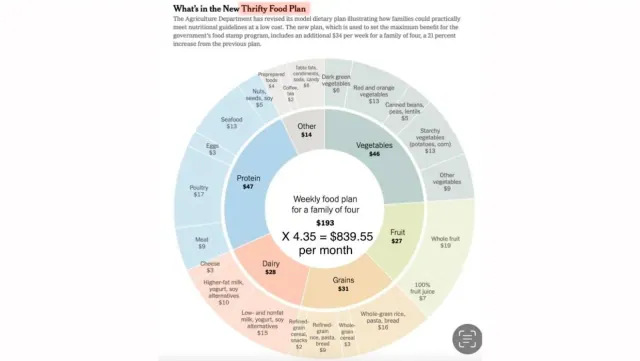
A national average cannot tell you what your family should spend. Household size, dietary needs, local prices and the meals you make all affect the total. Start with recent receipts instead.
Separate groceries from restaurant spending and household supplies if you want to understand the food bill. Then choose a normal week to compare. A holiday shop or a nearly empty pantry can give a misleading impression of your usual costs.
Turn Advice Into a Small Experiment

Online shopping tips are most useful when they give you something specific to test. Pick a short list of staples you buy often and check their prices at a second store.
Keep the comparison manageable. You don't need to spend an afternoon visiting every supermarket in town. A few familiar products can show whether another store deserves a place in your routine.
What Britton Changed

Britton said switching much of her shopping to Aldi reduced her costs while still meeting her needs for various items. She emphasized packaged, canned and frozen goods as places to look for savings.
That is her reported experience. Local prices and your basket may differ, so compare the products you use instead of assuming the same store will be cheapest for everything.
Know What You Are Comparing

A different store may carry a different range of brands and pack sizes. Before treating two prices as equivalent, check the quantity, ingredients and any dietary requirements that matter to your household.
A lower shelf price on a smaller package may not be a lower price per ounce. The unit-price label is useful here, provided both labels use the same measure.
Start With Familiar Packaged Foods

Cereal, rice, canned vegetables and other regular purchases are often easy to put side by side. If the product and quantity match, the comparison is straightforward.
When they don't match, decide whether the difference matters. A different cereal may be perfectly acceptable to your household, while a product needed for an allergy or another dietary restriction may offer less room for substitution.
Check the Whole Basket
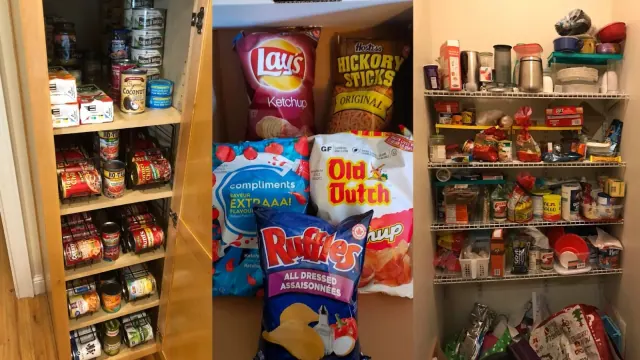
Saving on one item can be offset by paying more for several others. Add up the list rather than choosing a store based on the most impressive discount.
Include any extra travel or delivery cost that a change creates. If the new routine takes much longer, consider that too. A saving that works on paper still has to fit the time and transport available to you.
Decide Where You Want Flexibility

Some groceries are easy to change; others are household favorites for a reason. Decide where you are happy to try an alternative before filling the cart.
You might be flexible about canned beans but particular about bread. That is a practical preference, not a failure to shop economically. A cheaper food that goes uneaten is unlikely to help the budget.
Try Store Brands in Small Amounts

Britton also recommended trying store brands. Buy a manageable quantity first and see whether your household likes it. There is little reason to stock up on an unfamiliar food before anyone has tasted it.
If a substitute works, compare the saving over the amount you normally buy. Several small, repeatable changes may be more useful than one dramatic purchase you would not ordinarily make.
Keep the Items That Work Elsewhere

Britton said she remained selective about categories such as produce, meat, deli and bakery items. A store switch did not have to mean buying every item from one chain.
You can make the same kind of choice based on your own priorities. Check quality and freshness where you shop, then decide whether the difference is worth the price and any additional trip.
Your Current Store May Still Compete
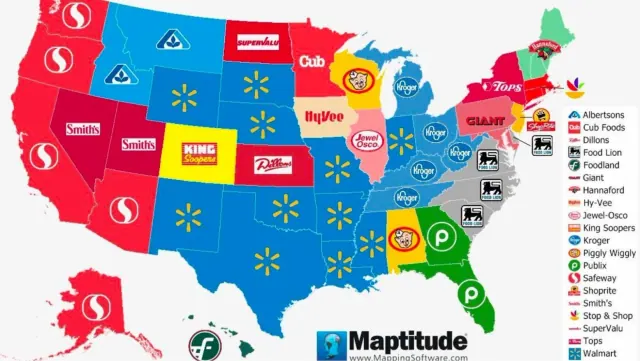
A sale or a lower-priced alternative at your usual store may narrow the gap. Compare the price you would actually pay, including discounts you qualify for and would genuinely use.
Don't let a coupon add an unnecessary purchase to the list. Saving a percentage on something you weren't going to buy still means spending money.
Review the Receipts Afterward

After a few ordinary shopping trips, compare totals and note anything that was wasted or needed replacing. Did the new routine lower the cost of the same basic meals? Was it convenient enough to keep doing?
Those answers are more useful than a promised saving in a headline. Keep the changes that work for your household and leave the rest.