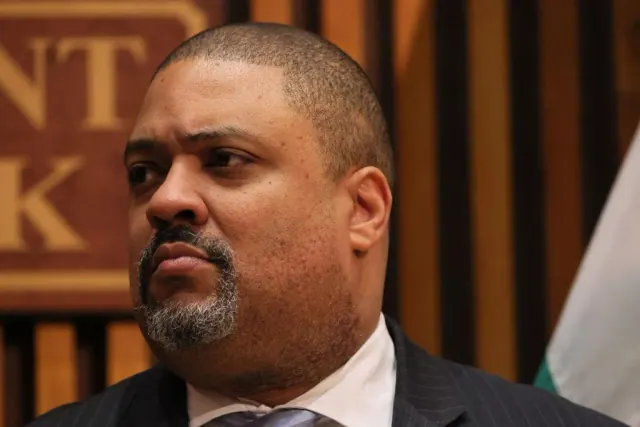
A phone can hold access to far more money than the handset is worth. In January 2024, Manhattan District Attorney Alvin Bragg asked the companies behind Venmo, Zelle and Cash App to strengthen protections after thefts involving unlocked devices. That warning is historical. It still raises a useful question for anyone using payment apps: what could another person do if your phone were already open?
The handoff can be the opening

The DA's office described people asking to borrow a phone, then using a financial app to transfer money. The request may sound ordinary, especially if someone says they need help making a call. You can offer to place the call yourself while keeping the handset. An unlocked screen gives someone physical access; the next question is what each app requires before money can move.
Keep control when someone asks for a donation

Another scenario in the warning involved someone offering to enter a charitable donation on the phone owner's behalf. Retain control of the screen and check the recipient yourself. You can also look up the organization independently and donate later. The office described violent incidents too. If someone threatens you, prioritize getting to safety rather than treating the encounter as a disagreement about a payment.
Check the person as well as the payment
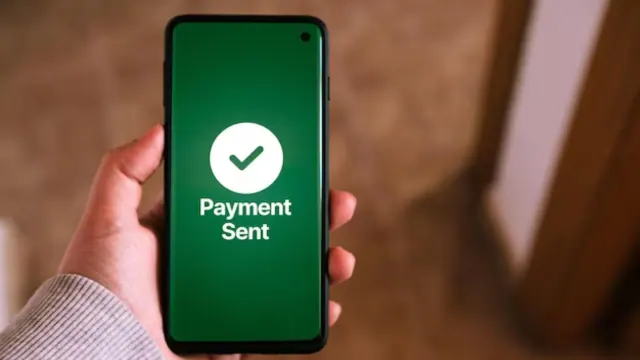
The FTC advises checking the recipient's information before sending money. If a familiar contact unexpectedly asks for funds, verify the request through a separate conversation. A name or photograph in an app doesn't establish who is actually asking. Nor does a screen showing that a payment was sent tell you that the recipient was the one you intended. Pause before confirming anything you weren't planning to send.
A warning isn’t a national fraud rate

The DA's warning concerned incidents his office described in 2024. It establishes the types of theft being investigated at that time. Your own situation needs a closer look at the service used, who started the transfer and which account supplied the money. A company's overall fraud percentage can't establish that an individual request is legitimate. Check the actual recipient and transaction before acting on a reassuring name or number.
Look inside each app’s security settings
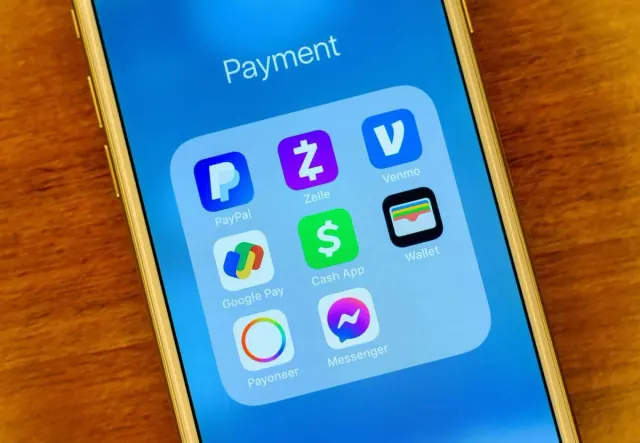
A phone's screen lock and a payment app's own controls serve different purposes. Review the options available in each app rather than assuming the phone's lock is the only check. The FTC recommends multi-factor authentication or a PIN for payment accounts. An extra check can reduce an opportunity for misuse, but it doesn't make every transaction safe or replace your own review of the request.
Keep sign-in codes to yourself
Venmo's login guidance says never to share the code used to authenticate a sign-in. Someone asking for it in a call, text, email or chat isn't entitled to it just because they claim to represent the company. Venmo also advises reviewing remembered devices and changing your password after an unexpected sign-in attempt. Reach your account through the app or a known address when investigating a warning.
Cash App has a separate security control
Cash App describes Security Lock as an option requiring your face, fingerprint or PIN before a payment goes through. Review the control in your own account and confirm how it is set. Its security guidance also describes transaction and sign-in alerts. These are company-described features, not a guarantee that a scam will be stopped. Don't confuse locking a payment card with checking the protections on other money movements.
Use the provider’s real support channel
For PayPal, the FTC directs people reporting unauthorized activity or a suspected scam to the Resolution Center. For other apps, use the support route provided in the app or on the provider's official website. Don't take a stranger's offer to handle the report for you. Save the transaction details before you begin so the support conversation concerns the actual payment, recipient and date.
Describe an unauthorized transfer accurately
Federal protections can apply to peer-to-peer payments that meet the definition of an electronic fund transfer. The CFPB says a fraudster's transfer using stolen or fraudulently obtained credentials can qualify as unauthorized. A payment you initiated after being deceived can raise different questions. Tell the provider who initiated it and how access was obtained; don't assume the app's brand alone settles your rights or guarantees reimbursement.
Separate the 2024 request from current rules

Bragg's letters requested stronger safeguards, including lower default daily limits and more checks on large transfers. A prosecutor's request doesn't establish that every provider adopted the same policy or that a particular transaction will be delayed. Check today's terms and settings for your service. The old warning provides context for reviewing them, rather than a promise about how your next payment will be handled.
Report a problem as soon as you notice it
If money moves without your permission, contact the payment provider promptly and alert the linked bank if its account is affected. Keep the amount, date, recipient and messages, along with any case reference. Venmo specifically asks customers to have transaction details ready. The FTC also accepts scam reports at ReportFraud.ftc.gov. Reporting creates a record and helps the investigation; it doesn't itself promise that the money will be recovered.
Manhattan DA: January 23, 2024 warning and requested safeguards
FTC: avoiding payment-app scams and reporting them
CFPB: electronic fund transfer coverage and unauthorized transfers