An offer to help with taxes can sound welcome, especially when the paperwork is already frustrating. But an unsolicited promise to set up an IRS Online Account deserves caution. The person offering to take a chore off your hands may actually be asking for the information needed to impersonate you.
The IRS has warned about this specific account-setup scam. It can put much more than one password at risk.
What the IRS Warned About
In an April 1, 2024 warning, the IRS described third parties offering to create taxpayers' online accounts. The goal was to obtain personal and financial details that could be used for identity theft.
The warning was part of that year's Dirty Dozen awareness campaign. It wasn't a newly announced tax requirement or a service taxpayers needed to buy. The scammers were presenting unnecessary help as something useful, then collecting sensitive information in the process.
Begin at IRS.gov
If you want an IRS Online Account, start at IRS.gov and follow its account instructions. Use the authentication process reached through that official site. A link sent by a stranger is not a reliable shortcut, however convincing the message looks.
This does not mean legitimate tax preparers or authorized tax software don't exist. It means that an unsolicited offer to create your personal IRS account is different from choosing a qualified professional to prepare a return.
What the Scammer Wants
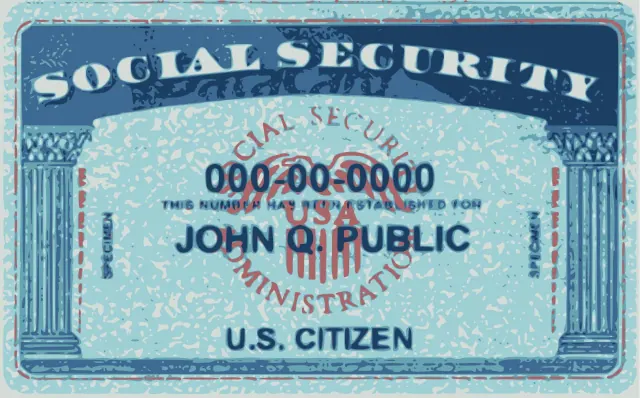
An account-setup offer can lead to requests for an address, Social Security number or Individual Taxpayer Identification Number, and photo identification. Together, those details can be valuable to an identity thief.
The IRS warning explains that stolen information may be sold or used to file fraudulent returns, seek loans or open credit accounts. The requested refund is one possible target, but the consequences need not stop when tax season ends.
Keep Control of Your Account
Don't hand over your login, password or verification codes to someone who contacts you unexpectedly. If a message claims there is a problem with your account, leave the message and check independently through the official site.
It is reasonable to seek help with a confusing process. The safer route is help you initiate through verified channels, while keeping control of your own credentials. Urgency from a stranger is not a reason to skip that check.
Report the Right Kind of Problem
Different problems have different reporting routes. The IRS tax-scams page explains how to report suspicious messages and identity-theft concerns. Form 14242 is for suspected abusive tax promotions or preparers; it is not a universal form for every suspicious contact.
If you have already shared information, don't assume that deleting the message solves the problem. Use the IRS identity-theft guidance and contact affected financial institutions through numbers you independently verify.
Notice the Pressure

A threat about a tax problem can make someone rush. So can an offer of a larger refund. Both can distract from the basic question of who is contacting you and why they need the information.
You don't have to settle that question while the caller waits. End the conversation and check through a known channel. A real issue will not become more authentic because someone insists you must act before you can verify it.
The Dirty Dozen Is an Awareness List

The IRS uses its Dirty Dozen campaign to highlight common scams and abusive schemes. The name does not mean there are only twelve possible tax scams, or that fraud is limited to the filing deadline.
People of different ages and backgrounds can be targeted. Sharing practical checks with family members is more useful than assuming only an inexperienced taxpayer could be deceived. A polished message and well-timed pressure can catch someone during an ordinary busy day.
Check an Unexpected Contact
The IRS usually begins contact by mail, but the channel alone does not prove a message is genuine. A letter can be fraudulent too, and legitimate IRS contact can take other forms in particular circumstances.
Check the notice or contact against the agency's own guidance. Avoid calling a number supplied only by the suspicious message. When you initiate contact independently, you have a better chance of knowing which organization you are actually speaking to.
Do Not Rely on One Blanket Rule
Statements such as “the IRS never calls” are too broad to settle every case. The agency describes different procedures for notices, audits, collections and criminal investigations. Those procedures can also change.
You do not need to memorize every exception to protect your login details. Start with the specific claim in front of you, compare it with current IRS guidance and use a verified contact route if something is unclear.
Legitimate Tax Help Can Be Paid or Free

The IRS preparer directory can help identify professionals with listed credentials or qualifications, but it does not include every legitimate preparer. Absence from that directory alone is not proof of fraud.
Likewise, charging a fee does not make a tax professional dishonest. Free assistance programs also exist for eligible taxpayers. Check qualifications, fees and the scope of the service before choosing help, rather than treating either “free” or “paid” as a guarantee.
Keep the Habit After Filing
Filing a return does not end the value of your personal information to a thief. Keep watching for unexpected account activity and take suspicious notices seriously enough to verify them.
If someone offers a shortcut, pause before sharing anything. Starting at the official site and keeping your account in your own control are small habits that can prevent an apparently helpful offer from becoming a much larger problem.
IRS: April 2024 Online Account scam warning