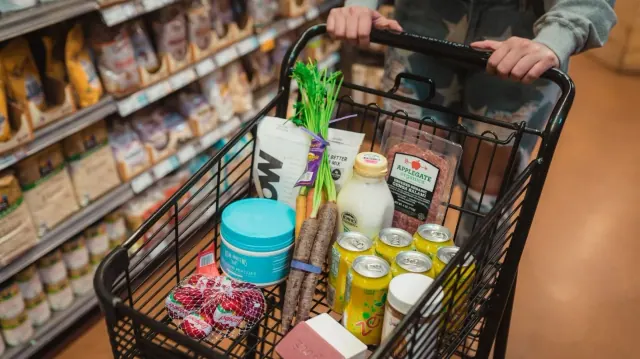
Being short of money can make it harder to get the lower price. A larger pack needs more cash upfront. A cheaper supermarket may need a car trip. A household with little room for surprises can also face fees when a bill and payday don't line up. These costs help explain why the same necessities can put very different pressure on different families.
This isn’t a separate government tax
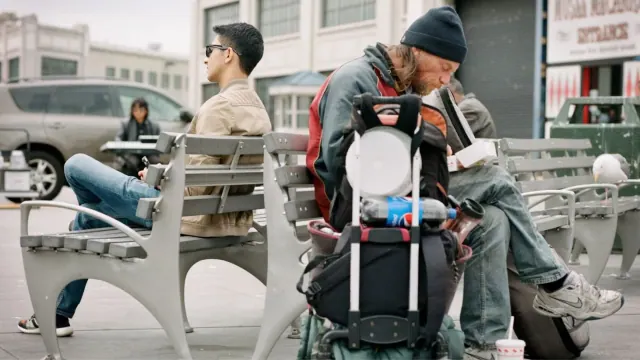
A loaded phrase sometimes used for poverty-related costs can obscure what is happening. The underlying issue is more precise: some households face higher prices, fewer choices or a larger share of income going to essentials. None is a literal tax imposed on all residents of a neighborhood, and none establishes how a particular person manages money.
A low price may be hard to reach
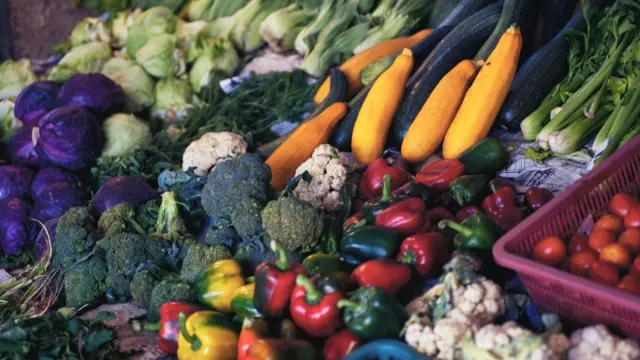
Food shopping illustrates the problem. A store with lower prices doesn't help much if reaching it costs money or takes time a worker doesn't have. Access to transport, a predictable schedule and safe storage at home affects which offers a household can use.
Store type matters
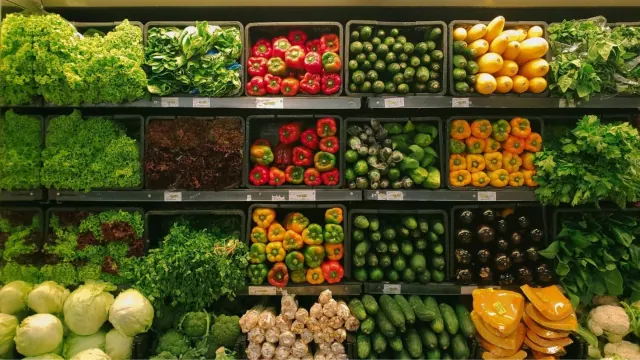
A nearby convenience shop and a large supermarket serve different shopping needs. Package sizes, product ranges and opening hours can vary. A produce-price comparison doesn't describe every item in a household's shopping basket.
Buying more requires money now
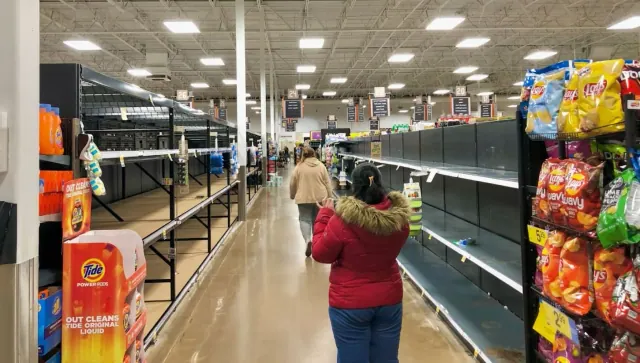
A larger pack may have a lower unit price while costing more at the till. Even where the larger pack is affordable, it only saves money if the household can store and use it. Waste or borrowing charges can erase the apparent discount.
Space and equipment affect the bargain
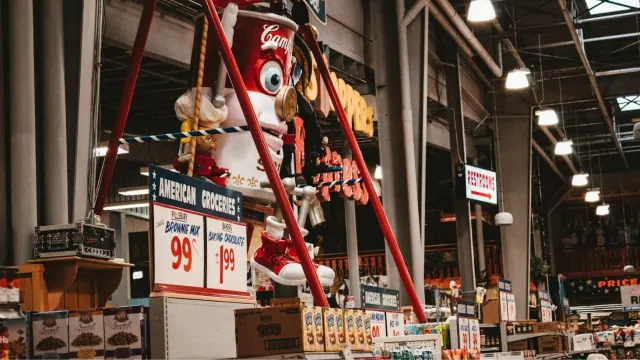
A freezer, a reliable cooker and space to keep supplies make some low-cost food choices easier. Their absence can narrow the options. Advice to stock up or cook everything from scratch assumes resources that aren't available in every home.
Food access is about distance and transport
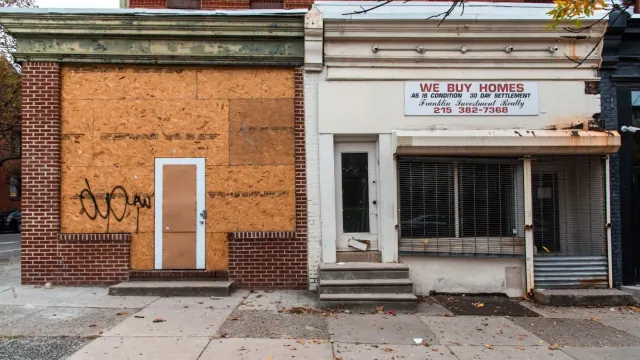
USDA research examines access to supermarkets using measures that include income and distance. Those definitions matter when interpreting an estimate. A historical national count doesn't describe every neighborhood today. For a household deciding where to shop, the immediate questions are which stores are reachable, what the trip costs and which essentials those stores carry.
A lower income leaves less room to absorb a price rise
Two households can face the same increase in a bill and experience very different consequences. If essentials already take most of the income, there is less optional spending to cut. That isn't proof that every item has a higher sticker price. It is a separate reason that an ordinary price increase can be much harder to manage.
Credit can add another cost
Brookings has documented ways lower-income consumers can pay more for basic financial services and borrowing. Compare fees and the total amount repaid, not just an installment that fits this week. An offer that solves an immediate cash shortage may create another bill later. Limited options can make that tradeoff difficult even when the borrower understands it.
Insurance comparisons need careful reading

Insurance premiums vary with the product, location and other rating factors. Research about particular neighborhoods or insurers shouldn't become a claim that every low-income customer pays a fixed surcharge. For an individual quote, compare equivalent coverage and deductibles. A cheaper premium can also leave a larger amount to pay when a claim happens.
Energy bills can take a larger share

A household can spend less on utilities in dollars and still devote more of its income to them. Housing condition and equipment can also limit its ability to reduce use. A high energy burden describes pressure on the budget; it doesn't automatically mean a different price for every unit of energy.
Look beyond advice to spend less

Brookings' work describes a problem involving markets and access as well as individual decisions. Comparing available prices can help, but the cheapest choice may remain out of reach because of cash, transport or time. Start by identifying the cost that can actually change, rather than assuming every expensive outcome was a choice.