
A large amount on an IRS letter can be frightening, especially when it doesn't resemble the income you remember earning. In the historical account preserved in this story's source archive, Maxx Fenning described a notice claiming more than $20,000 in additional tax and a further penalty. Fenning said a much smaller income amount had been read as $80,000. The account raises a practical question: how do you check a notice you believe is wrong?
Keep the person’s account separate from a verified finding

The source described Fenning disputing an apparent mismatch involving $800 and $80,000 on a 2021 return. That is the taxpayer's reported account. The material available here doesn't include the full notice, tax file or a final IRS determination. It would be inaccurate to turn a reported error into proof that the agency admitted liability or that a court decided the case.
Identify the kind of letter
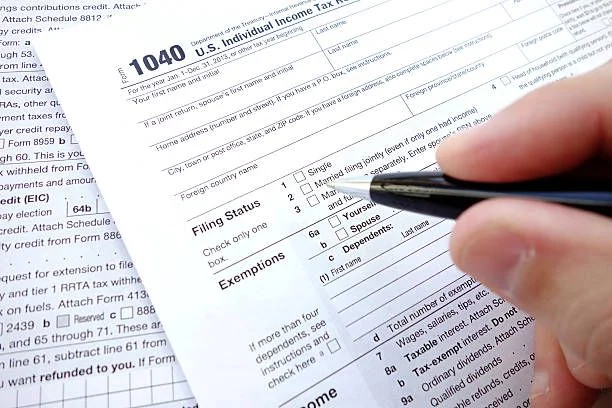
IRS correspondence serves different purposes. A request for information, proposed change and final bill aren't interchangeable. The IRS explains that its CP2000 series concerns a mismatch between return information and information received from third parties. Such a notice proposes changes and isn't itself a bill. That general explanation doesn't establish that Fenning received this exact notice; readers need to check their own notice number.
Read the tax year and each disputed item
Before responding, compare the letter with the return for the year it names. A current-year return won't explain a letter about an earlier one. Identify the particular income item, payment or credit involved, and compare it with the records used to prepare that return. An apparent extra zero, missing decimal or duplicate entry needs documentary support, rather than a guess about the agency's calculation.
Check the reporting source too

For information-matching notices, the discrepancy may involve a record from an employer or financial institution. The IRS says the difference can increase tax, reduce it or leave it unchanged. Locate the related information form and check the payer's name and amount. If a third-party form is wrong, the response may need to address that source of the discrepancy as well as the return.
A deadline matters even when you disagree
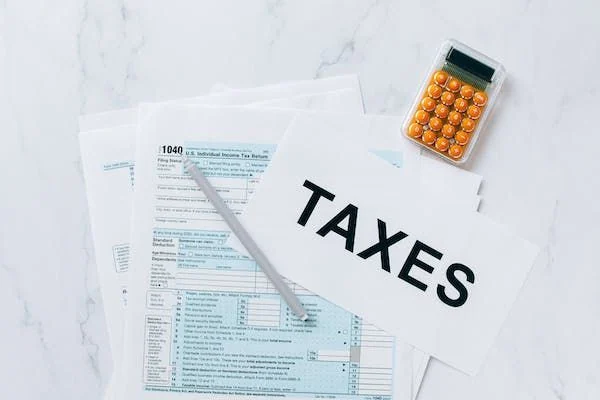
Believing a figure is plainly wrong doesn't remove the need to respond. Use the date and instructions on the actual notice. The IRS's CP2000 guidance asks recipients to state agreement or disagreement and provide supporting documentation. Missing the response can lead to further correspondence and a bill. If timing is a problem, contact the IRS promptly about the options for that notice.
Explain the mismatch with records
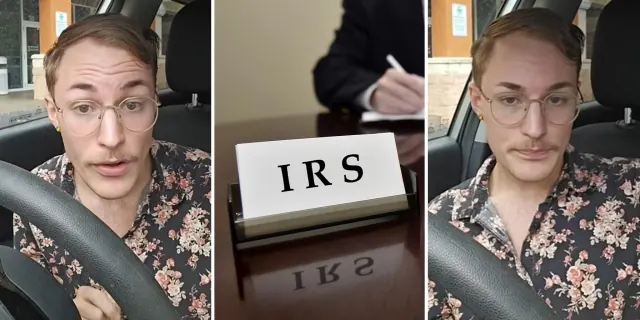
A useful response identifies the item in dispute, explains the difference and includes relevant evidence. Follow the notice's directions about forms and signatures. Keep a copy of what you send and how it was submitted. A concise explanation tied to a particular document is easier to review than a long account of frustration that never identifies the disputed number. Organize copies so each document is connected to the amount it explains. Keep your originals unless the notice specifically instructs otherwise. Include the identifying information the instructions require, and review the packet before submission so an omitted page doesn't leave the explanation incomplete.
Fax wasn’t the only possible route for everyone

Fenning's account made much of the inconvenience of faxing documents. That experience shouldn't become advice that every IRS response must now be faxed. The agency's current CP2000 information describes secure uploading as well as other response methods. Use the instructions applicable to your own notice and verify the destination independently. Don't send tax records to an unverified email address or social-media contact.
Don’t copy a stranger’s appeal fee or procedure

The original story mentioned a filing fee and a possible petition. Different stages of a tax dispute have different procedures and deadlines. A first response to a proposed change isn't automatically the same as petitioning Tax Court. If the letter describes appeal rights or a court deadline, get advice on that specific document instead of assuming the steps in a viral story apply to you.
Humor doesn’t establish the outcome

The archive described Fenning using humor to explain the experience online. That may make a frustrating process easier to follow, but popularity doesn't verify the tax details. View counts also change and weren't independently checked here. The useful part of the account is the decision to inspect the figures and question an apparent mismatch, rather than accept a social-media audience as proof of resolution.
Know when to get help
A qualified tax professional can help interpret a large or confusing proposed change and the records behind it. The Taxpayer Advocate Service also explains the CP2000 process and how later notices can follow if a discrepancy remains unresolved. Get help early enough to preserve any applicable deadline. A pending question about whether you owe tax is different from deciding how to pay an agreed balance.
Follow the case through the next letter

Sending a response doesn't necessarily close the matter immediately. Read the IRS's subsequent correspondence and compare it with what you submitted. Keep the notices and supporting records together so the history is available if another question arises. Fenning's reported experience doesn't guarantee a similar result for another taxpayer. Checking the details, using the correct response route and meeting the actual deadlines gives your own case a sounder foundation. A saved copy and submission record also let an adviser see what the agency has already received. That can reduce the need to reconstruct a response from memory while a later deadline is approaching.
IRS: understanding the CP2000 series