
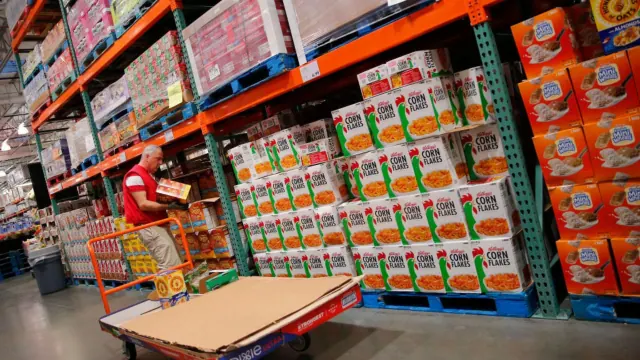
A warehouse cart fills quickly. The large packages can look like obvious savings, especially when you use the items every week. But buying more only helps if the price is better and you will actually use what you take home.
A useful bulk-buying list from Ramsey Solutions offers nine categories to consider. Treat it as a starting point for comparison, not a promise that every warehouse package is a bargain.
Compare More Than One Store

Warehouse clubs aren't the only places that sell larger packs. Compare the actual item with supermarket and online options available to you. Include delivery charges or a membership cost when those affect the decision.
Already having a membership isn't a reason to buy everything there. A smaller package on sale elsewhere may still be the better purchase.
The Nine Categories

The Ramsey Solutions list includes toiletries, dental-care supplies, paper products, batteries, gum, cereal, canned goods, rice and dry beans. These are things many households use regularly, though the useful quantity differs from home to home.
Toothbrush heads must fit the brush you own. Batteries need to be the right size. A large box of cereal is no saving if nobody wants to finish it.
Use the Unit Price

The number on the package tells you the total cost. The unit price tells you what you pay per ounce, pound or item. Compare the same units and similar products.
A hypothetical $12 pack containing twelve identical items costs $1 each. A $5 pack of four costs $1.25 each. The first is cheaper per item, but you still need $12 available at checkout.
Do Not Assume a Fixed Saving
A study of a particular basket at a particular time cannot tell you what today's trip will save. Prices, pack sizes and promotions change. Some bulk products may offer a worthwhile difference; others may not.
Check the items you actually buy. A lower price on something you never needed does not reduce the cost of your regular shopping.
Make Room Before Buying

Think about where the purchase will go. Paper products need dry storage, while food needs conditions suited to the product. A crowded cupboard or freezer can turn a convenient purchase into a nuisance.
The upfront cost matters too. Buying several months' supply is not helpful if it leaves too little money for the rest of this week's essentials.
Give the Shopping List a Limit
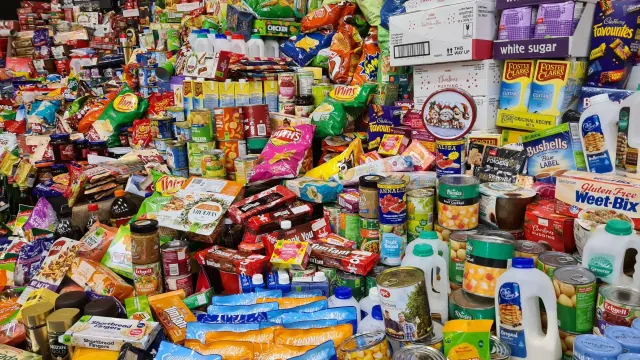
Write down the items you intend to compare before entering the store. Decide how much you can spend on stocking up as well as on this week's needs.
An extra trip can be inconvenient, but avoiding one is not a reason to buy things you don't need. The same goes for trying to justify a membership by making the cart bigger.
Handle Perishables Differently
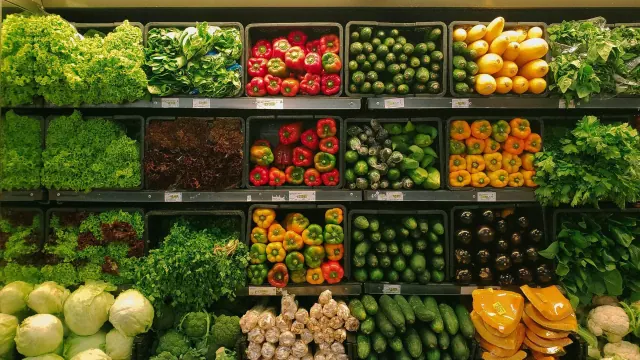
Fresh produce, dairy and other perishables need a realistic plan. A large quantity can work for a household that will use it promptly, or freeze it appropriately. It can also become waste.
Check suitable storage and use guidance, including USDA's FoodKeeper resource. Don't stretch safe storage simply to make a bulk purchase feel worthwhile.
Check What You Already Have
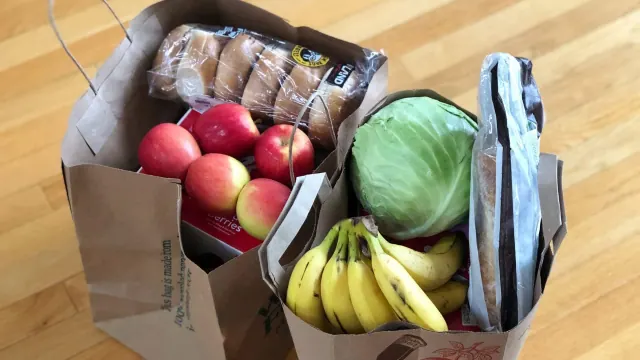
Before shopping, look in the cupboard, refrigerator and freezer. It is easy to buy another large pack while an older one sits behind something else.
Plan meals around food already open or waiting to be used. For nonfood items, estimate how long the last package lasted. That gives you a more useful quantity than the size of the display suggests.
Start With One or Two Staples
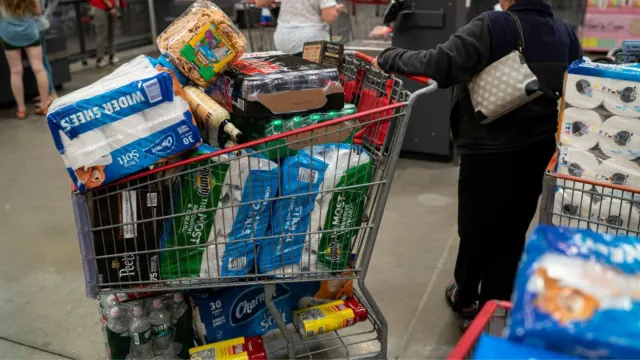
You don't need to convert the entire shopping routine to bulk buying. Try one or two familiar products with a clear unit-price advantage and enough storage space.
Afterward, check whether you used them as expected. The best bulk purchase is one that fits your household's actual habits, not the household you imagine while standing in the aisle.
Ramsey Solutions: bulk-buying categories