
A higher hourly rate can look less attractive once you price the equipment you're expected to supply. In a 2023 Fortune interview, plumber Robert Jenkins said he left a $45-an-hour job after being told to buy tools.
Ask for the list before you agree
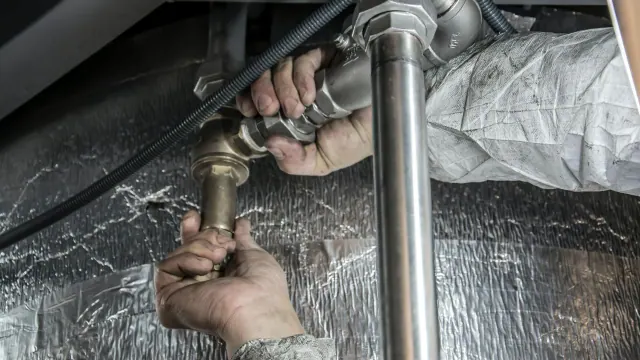
Get an itemized list of what you must provide, including any specialist equipment. Ask which tools the company supplies and which purchases need approval. A general instruction to bring your own tools leaves you guessing about the cost and when you'll have to pay it.
Work out what the raise covers
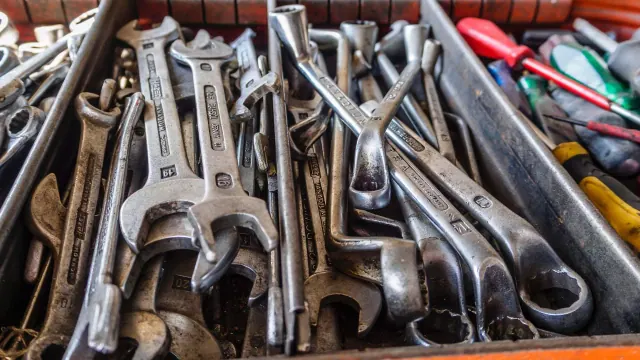
Suppose a hypothetical raise adds $5 an hour for 40 paid hours each week. That's $200 more before deductions. A hypothetical $4,000 tool would equal twenty weeks of that gross increase. This simple comparison excludes taxes, repairs and changing hours; it isn't a quote for a particular job.
Separate the purchase from payday
Even if extra pay eventually covers a purchase, the money may be due before those wages arrive. Put the purchase date beside your pay dates. Ask if equipment is available to borrow or if a written allowance is offered before you commit money you need for other bills.
Ask what happens when equipment breaks

Find out who pays for repairs, replacement and routine maintenance. Ask how a missing or stolen tool is handled too. Those answers belong in the written policy. A promise to supply your own equipment shouldn't leave the later costs undefined, especially for something several employees will use.
Federal wage protections still apply
The Labor Department's wage-deduction guidance says employer-benefit tool costs cannot cut into required minimum wages or overtime compensation for covered workers. Requiring a cash payment instead of a payroll deduction doesn't avoid those protections. That doesn't mean every employee is automatically entitled to reimbursement for every purchase.
A payroll deduction is a separate question

Oregon's current guidance, for example, prohibits payroll deductions for required tools. It distinguishes those deductions from separate purchases by employees earning above minimum wage, which must still leave them at or above that floor in each pay period. Other states can have different rules. This doesn't decide a particular employer's liability.
Keep older promotion research in its period

ADP's 2023 research examined more than 1.2 million U.S. workers' histories from 2019 through 2022 and found a relationship between promotions and departures. It doesn't establish that tool bills caused those departures, or predict what you should do.
Look beyond the hourly figure

Compare the expected hours, schedule, benefits and equipment arrangements together. Ask how extra duties affect your day and who handles problems on a job. Keep the answers beside the pay offer, including any written commitments about equipment and support.
Treat starting a business separately
Working for yourself changes the calculation again. Compare money collected from customers with equipment, insurance and other business expenses before treating it as personal income. More control also means more tasks to manage. A move into business needs its own plan, beyond the decision to leave an employer.
Write down the ownership terms

Keep receipts for tools you buy and clarify who owns each item. Ask where equipment will be stored, who may use it and what happens when employment ends. Resolve any disagreement about returning company property separately from the question of who paid for your own kit.
Check the first payslip
Compare the agreed rate, hours and any deductions with your pay statement. Keep the equipment policy and purchase receipts with it. If a charge looks wrong, ask payroll to explain it in writing. Your state labor agency or the federal Wage and Hour Division can help with wage-rule questions.