
Some people can tackle a difficult task before breakfast. Others find that their clearest thinking arrives later. Chronoworking is the name given to organizing work around those differences in timing. It is an idea for discussing schedules, rather than a guarantee of higher output. The useful question is which parts of your day can move without sacrificing sleep, reliable service or the work other people need from you.
The idea grew alongside flexible work

Remote and flexible arrangements gave some workers more control over when and where they completed tasks. They also exposed the limits of a single schedule for everyone. That experience doesn't mean every job can be done at any hour. A hospital shift, a shop opening and an independent writing project have very different requirements.
Where the name came from
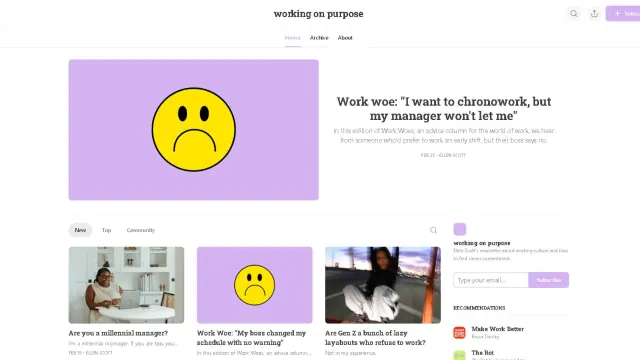
Journalist Ellen C. Scott is credited with coining chronoworking through her work on workplace culture and the Working On Purpose newsletter. The label made an existing question easier to discuss: can a job fit a worker's daily pattern better? Knowing the term can help frame a request, but it doesn't establish a new employment right or change an agreed schedule.
A prediction isn’t proof of adoption

Early discussion of chronoworking included predictions about its adoption in 2024. A forecast is a forecast. The more useful test is what a particular employer permits now. Check the policy and the job's actual requirements, then discuss a specific adjustment. Don't assume a trend headline means your team has adopted it.
Chronotype describes timing preferences

Chronotype concerns differences in people's preferred timing of sleep and activity. Circadian rhythms influence alertness, but daily energy also reflects sleep, workload and other conditions. Being exhausted every afternoon doesn't automatically identify a fixed biological type. Persistent sleep or fatigue problems deserve appropriate attention rather than being treated as proof that a later start will solve everything.
You don’t need an animal label

Popular explanations divide people into named chronotypes, sometimes with precise percentages. Those simplified categories aren't necessary to plan a workday, and the figures in the source weren't verified here. Notice when you can reliably concentrate and when work feels harder. A few observations across ordinary days are more practical than forcing yourself into a personality-style label.
Protect sleep before stretching the workday

Moving work later shouldn't simply add an evening shift to an unchanged morning. NIOSH research connects work schedules, disrupted sleep and fatigue. A schedule experiment needs enough room for rest and the responsibilities outside work. Finishing late and still getting up at the same early hour may change the clock without improving how you feel or perform.
Find a task you can move

A worker may have little control over meeting times but more choice about when to prepare a report. Start with that smaller decision. Place a demanding task where concentration is usually steadier, then use other available periods for less demanding work. The point is to improve the fit of real duties, rather than design a perfect day the job cannot support.
Agree on coverage with the team

A flexible schedule still needs clear expectations about availability and handovers. Discuss which hours must overlap, how urgent questions will be handled and when work is due. If one person's preferred hours shift a burden onto colleagues, the arrangement needs adjusting. An explicit agreement gives everyone more certainty than an informal promise to be online at some point.
Use company examples carefully

The source described flexible schedules at job platform Flexa and quoted its leadership in favor of different working hours. That was one employer's account at the time. It isn't a controlled measure of benefits across all companies. Look at the features that make an example workable, including the kind of work and how the team coordinates.
Measure the trial in ordinary terms

If a manager agrees to a change, decide how to judge it. Completing planned work, meeting deadlines and reducing avoidable interruptions are more useful measures than saying the schedule feels fashionable. Include the effect on colleagues and on rest. A short, agreed trial makes it easier to keep what helps and revise what creates problems.
Keep the arrangement flexible enough to fit life

Children, travel, health and workload can all change the hours a person can use. A timing preference shouldn't become another rigid rule. Review the schedule with the people affected and adjust when needed. Chronoworking is most useful when it produces a workable agreement about a real day, with room for both the task and the person doing it.