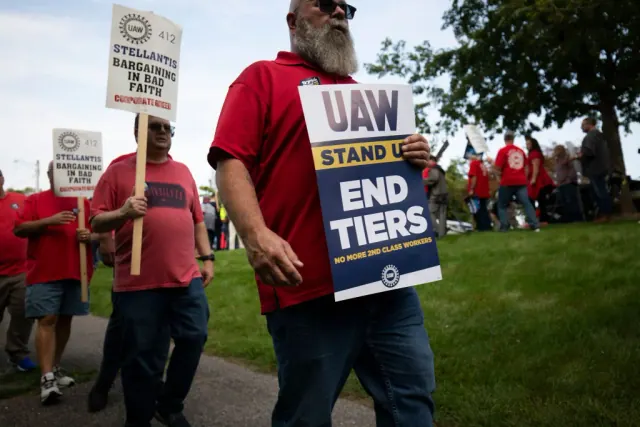
The UAW's demand to restore cost-of-living adjustments became part of the contracts its members ratified at Ford, General Motors and Stellantis in 2023. That's a change from the earlier debate about whether automakers would agree to them. For a worker reading a pay statement now, the useful question is how the applicable clause calculates an allowance and when that money reaches the paycheck.
Why workers wanted protection

A pay increase negotiated at the start of a contract can lose buying power as prices rise during the following years. A COLA clause creates a way to adjust pay without renegotiating the entire agreement each time. It can respond to an agreed price measure, although its protection depends on the terms the parties actually settled on.
The 2023 demand became an agreement

In its November 20, 2023 announcement, the UAW said members at all three automakers had ratified contracts restoring COLA. The union also described separate wage increases and faster progression to top pay. Those are different parts of compensation. An older account of the negotiations shouldn't leave readers thinking COLA is still merely a demand from that bargaining round.
Social Security uses a different rule

You may recognize the same initials from Social Security. Its benefit adjustments follow a statutory process that compares third-quarter CPI-W averages. A workplace allowance follows the applicable employment agreement instead. The Social Security percentage isn't a rate you can apply to your wages, and hearing that benefits will increase doesn't tell you what your employer owes.
Start with the payment being adjusted

Before doing any arithmetic, identify what the clause changes. Is the calculation based on an hourly rate, a salary or an allowance paid alongside base wages? Write down the starting amount and the relevant date. Don't apply a percentage to your entire annual compensation unless the agreement uses that amount. Bonuses and other payments need their own treatment.
Use the index named in the clause

CPI is a family of indexes. CPI-U covers urban consumers broadly; CPI-W covers a narrower population of urban wage earners and clerical workers. BLS guidance says an escalation agreement should identify the precise series, area and reference period. A national headline inflation number may not be the figure specified by your agreement, even when both describe consumer prices.
A simple example shows the difference

Imagine an agreement that adjusts a $30 hourly rate by the full percentage change in a specified index. If that index rises from 300 to 306, the increase is 2%, making the rate $30.60. At 40 paid hours, the difference is $24 before deductions. This is hypothetical arithmetic, not a description of any automaker's actual COLA formula.
A cap changes that example

Now suppose the same hypothetical clause limits the increase to 1%. The $30 rate would become $30.30, even though the index rose 2%. A floor could set a minimum adjustment instead. Check for these limits before assuming a clause replaces every dollar lost to inflation. The word COLA alone doesn't tell you how much protection is included.
The payment can arrive after prices change

An agreement may use one period to measure prices and a later date to change pay. That timing matters when you're planning this month's bills. Find the review schedule and effective pay date, then check the first statement that should reflect the change. Keep the measurement period separate from the date a new rate begins.
Restoration has a specific history
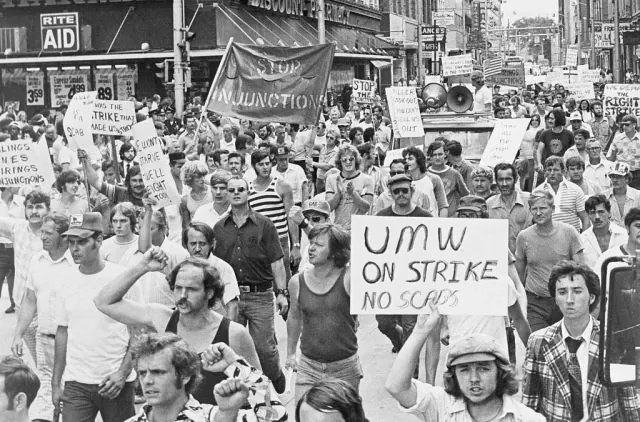
In its June 2023 campaign announcement, the UAW described COLA as a provision lost in 2009 during the Great Recession. That history explains why the union called its demand a restoration. It doesn't establish how common COLA clauses are across today's workforce. A claim about one bargaining relationship can't supply a current national count of employees with inflation protection.
Keep an allowance separate from other raises

When several pay changes take effect, ask payroll to show each component. A scheduled general increase, movement through a pay progression and an inflation allowance can produce different amounts on different dates. For your own records, keep the old and new rate, the hours paid and the allowance calculation together. That makes a later discrepancy easier to explain.
A forecast is not your saved pay statement

A contract summary may illustrate future earnings using an assumed inflation path. Treat that projection differently from a fixed scheduled increase or an allowance already calculated for a completed period. Before budgeting around a future total, identify which amounts are set and which depend on prices. Avoid adding every headline percentage together without checking how the components interact.
Read the agreement that covers your job

The UAW-Ford contracts index separates its 2023 agreement volumes, skilled-trades material and salaried bargaining-unit documents. That is a useful reminder to locate the right book, rather than rely on an old summary or another worker's rate. Ask your representative which national and local provisions apply to your classification, along with any relevant updates or side agreements.
Your household can still face a gap
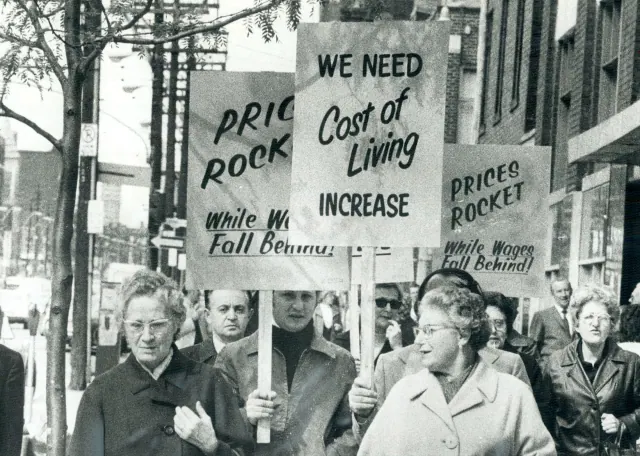
A price index reflects a spending basket, while your bills reflect your own household. Rent, insurance or care costs may take a different share of your income. Even a correctly calculated allowance won't necessarily match those expenses. Compare actual take-home pay with recurring bills separately, and account for changes in hours or deductions before attributing the whole gap to inflation.
Bring a specific question to payroll
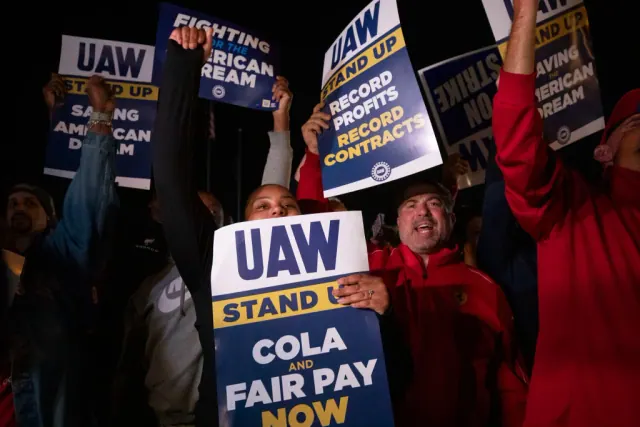
If a payment looks wrong, gather the relevant clause, its index periods, your hourly rate and the pay statement in question. Show the calculation you expected and ask which input differs. Your union representative can help with the agreement's process for resolving a dispute. Keep copies of the response and any corrected statement so you can follow the adjustment through.